
گرينائيٽ هڪ قسم جو آتشي پٿر آهي جيڪو ان جي انتهائي طاقت، کثافت، استحڪام، ۽ سنکنرن جي مزاحمت لاءِ کوٽيو ويندو آهي. پر گرينائيٽ پڻ تمام ورسٽائل آهي - اهو صرف چورس ۽ مستطيل لاءِ ناهي! حقيقت ۾، اسان اعتماد سان گرينائيٽ حصن سان باقاعده بنيادن تي سڀني تبديلين جي شڪلن، زاوين ۽ وکر ۾ انجنيئر ٿيل ڪم ڪريون ٿا - بهترين نتيجن سان.
اسان جي جديد پروسيسنگ ذريعي، ڪٽيل مٿاڇريون غير معمولي طور تي فليٽ ٿي سگهن ٿيون. اهي خوبيون گرينائيٽ کي ڪسٽم سائيز ۽ ڪسٽم ڊيزائن مشين بيس ۽ ميٽرولوجي حصن ٺاهڻ لاءِ مثالي مواد بڻائين ٿيون. گرينائيٽ آهي:
■ مشيني
■ ڪٽڻ ۽ ختم ٿيڻ تي بلڪل سڌو
■ زنگ جي مزاحمتي
■ پائيدار
■ ڊگهي عرصي وارو
گرينائيٽ جا حصا صاف ڪرڻ ۾ پڻ آسان آهن. ڪسٽم ڊيزائن ٺاهڻ وقت، پڪ ڪريو ته گرينائيٽ کي ان جي بهترين فائدن لاءِ چونڊيو.
معيار / هاءِ ويئر ايپليڪيشنون
ZHHIMG پاران اسان جي معياري مٿاڇري واري پليٽ جي شين لاءِ استعمال ٿيندڙ گرينائيٽ ۾ ڪوارٽز جو مقدار وڌيڪ آهي، جيڪو پائڻ ۽ نقصان جي مزاحمت کي وڌيڪ فراهم ڪري ٿو. اسان جي اعليٰ ڪاري رنگن ۾ پاڻي جذب ڪرڻ جي شرح گهٽ آهي، جيڪا پليٽن تي سيٽنگ دوران توهان جي درست گيجز جي زنگ لڳڻ جي امڪان کي گهٽ ڪري ٿي. ZHHIMG پاران پيش ڪيل گرينائيٽ جا رنگ گهٽ چمڪ جو نتيجو ڏين ٿا، جنهن جو مطلب آهي پليٽون استعمال ڪندڙ ماڻهن لاءِ اکين جي تڪليف گهٽ. اسان هن پهلو کي گهٽ ۾ گهٽ رکڻ جي ڪوشش ۾ حرارتي توسيع تي غور ڪندي پنهنجي گرينائيٽ جي قسمن کي چونڊيو آهي.
ڪسٽم ايپليڪيشنون
جڏهن توهان جي ايپليڪيشن ۾ ڪسٽم شڪلن، ٿريڊ انسرٽس، سلاٽس يا ٻي مشيننگ سان پليٽ جي ضرورت هجي، ته توهان کي بليڪ جنان بليڪ جهڙو مواد چونڊڻ گهرجي. هي قدرتي مواد بهترين سختي، بهترين وائبريشن ڊمپننگ، ۽ بهتر مشيني صلاحيت پيش ڪري ٿو.
اهو نوٽ ڪرڻ ضروري آهي ته صرف رنگ پٿر جي جسماني خوبين جو اشارو نه آهي. عام طور تي، گرينائيٽ جو رنگ سڌو سنئون معدنيات جي موجودگي يا غير موجودگي سان لاڳاپيل آهي، جنهن جو شايد انهن خوبين تي ڪو به اثر نه هجي جيڪي سٺي مٿاڇري جي پليٽ مواد ٺاهين ٿيون. گلابي، گرين، ۽ ڪارا گرينائيٽ آهن جيڪي مٿاڇري جي پليٽن لاءِ بهترين آهن، انهي سان گڏ ڪارا، گرين، ۽ گلابي گرينائيٽ آهن جيڪي درست ايپليڪيشنن لاءِ مڪمل طور تي نا مناسب آهن. گرينائيٽ جون اهم خاصيتون، جيئن اهي مٿاڇري جي پليٽ مواد جي طور تي ان جي استعمال سان لاڳاپيل آهن، انهن جو رنگ سان ڪو به تعلق ناهي، ۽ هيٺ ڏنل آهن:
■ سختي (لوڊ هيٺ انحراف - لچڪ جي ماڊيولس پاران ظاهر ڪيل)
■ سختي
■ کثافت
■ لباس جي مزاحمت
■ استحڪام
■ پورسيٽي
اسان ڪيترن ئي گرينائيٽ مواد کي آزمايو آهي ۽ انهن مواد جو مقابلو ڪيو آهي. آخرڪار اسان کي نتيجو ملي ٿو، جنان ڪارو گرينائيٽ بهترين مواد آهي جيڪو اسان ڪڏهن به ڄاڻون ٿا. انڊين ڪارو گرينائيٽ ۽ ڏکڻ آفريقي گرينائيٽ جنان ڪارو گرينائيٽ سان ملندڙ جلندڙ آهن، پر انهن جون جسماني خاصيتون جنان ڪارو گرينائيٽ کان گهٽ آهن. ZHHIMG دنيا ۾ وڌيڪ گرينائيٽ مواد جي ڳولا ڪندو رهندو ۽ انهن جي جسماني ملڪيتن جو مقابلو ڪندو.
توهان جي منصوبي لاءِ صحيح گرينائيٽ بابت وڌيڪ ڳالهائڻ لاءِ، مهرباني ڪري اسان سان رابطو ڪريو.info@zhhimg.com.
مختلف ٺاهيندڙ مختلف معيار استعمال ڪندا آهن. دنيا ۾ ڪيترائي معيار آهن.
DIN معيار، ASME B89.3.7-2013 يا وفاقي وضاحت GGG-P-463c (گرينائيٽ مٿاڇري پليٽون) ۽ انهي جي بنياد تي انهن جي وضاحتن جي بنياد تي.
۽ اسان توهان جي گهرجن مطابق گرينائيٽ جي درستگي جي چڪاس واري پليٽ تيار ڪري سگهون ٿا. جيڪڏهن توهان وڌيڪ معيارن بابت وڌيڪ معلومات ڄاڻڻ چاهيو ٿا ته اسان سان رابطو ڪرڻ ۾ ڀليڪار.
هموار هجڻ کي مٿاڇري تي سڀني نقطن کي ٻن متوازي جهازن، بنيادي جهاز ۽ ڇت جي جهاز اندر شامل سمجهي سگهجي ٿو. جهازن جي وچ ۾ فاصلي جي ماپ مٿاڇري جي مجموعي هموار هجڻ آهي. هي هموار هجڻ جي ماپ عام طور تي هڪ برداشت رکي ٿي ۽ ان ۾ گريڊ جو عهدو شامل ٿي سگهي ٿو.
مثال طور، ٽن معياري گريڊن لاءِ فليٽنس رواداري وفاقي وضاحت ۾ بيان ڪئي وئي آهي جيئن هيٺ ڏنل فارمولا ذريعي طئي ڪئي وئي آهي:
■ ليبارٽري گريڊ AA = (40 + ڊاگونل اسڪوائر/25) x .000001" (هڪ طرفو)
■ انسپيڪشن گريڊ A = ليبارٽري گريڊ AA x 2
■ ٽول روم گريڊ B = ليبارٽري گريڊ AA x 4.
معياري سائيز جي مٿاڇري جي پليٽن لاءِ، اسان فليٽنس رواداري جي ضمانت ڏيون ٿا جيڪي هن وضاحت جي گهرجن کان وڌيڪ آهن. فليٽنس کان علاوه، ASME B89.3.7-2013 ۽ وفاقي وضاحت GGG-P-463c موضوعن کي خطاب ڪن ٿا جن ۾ شامل آهن: بار بار ماپ جي درستگي، مٿاڇري پليٽ گرينائيٽ جي مادي خاصيتون، مٿاڇري ختم، سپورٽ پوائنٽ جي جڳهه، سختي، معائني جا قابل قبول طريقا، ٿريڊ انسرٽس جي انسٽاليشن، وغيره.
ZHHIMG گرينائيٽ مٿاڇري جون پليٽون ۽ گرينائيٽ انسپيڪشن پليٽون هن وضاحت ۾ بيان ڪيل سڀني گهرجن کي پورو ڪن ٿيون يا انهن کان وڌيڪ آهن. في الحال، گرينائيٽ اينگل پليٽس، متوازي، يا ماسٽر اسڪوائر لاءِ ڪا به وضاحتي وضاحت موجود ناهي.
۽ توهان ٻين معيارن لاءِ فارمولا ڳولي سگهو ٿاڊائون لوڊ.
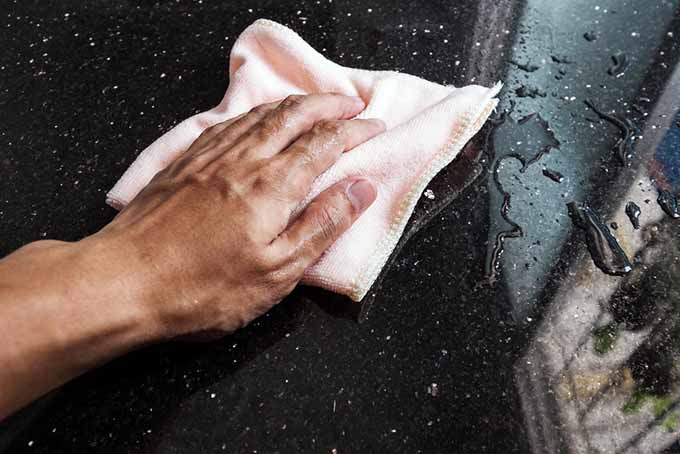
پهرين، پليٽ کي صاف رکڻ ضروري آهي. هوا ۾ اُڀرندڙ مٽي عام طور تي پليٽ تي ٽٽڻ ۽ ڦاٽڻ جو سڀ کان وڏو ذريعو آهي، ڇاڪاڻ ته اهو ڪم جي ٽڪرن ۽ گيجز جي رابطي جي سطحن ۾ داخل ٿئي ٿو. ٻيو، پنهنجي پليٽ کي مٽي ۽ نقصان کان بچائڻ لاءِ ان کي ڍڪيو. استعمال ۾ نه هجڻ تي پليٽ کي ڍڪڻ سان، پليٽ کي وقت بوقت گھمائي، ۽ گيجنگ تي اسٽيل ڪانٽيڪٽ پيڊ کي ڪاربائيڊ پيڊ سان تبديل ڪرڻ سان لباس جي زندگي وڌائي سگهجي ٿي. ان کان علاوه، پليٽ تي کاڌو يا نرم مشروبات رکڻ کان پاسو ڪريو. نوٽ ڪريو ته ڪيترن ئي نرم مشروبات ۾ ڪاربونڪ يا فاسفورڪ ايسڊ هوندو آهي، جيڪو نرم معدنيات کي ڦهلائي سگهي ٿو ۽ مٿاڇري ۾ ننڍا کڏا ڇڏي سگهي ٿو.
اهو ان تي منحصر آهي ته پليٽ ڪيئن استعمال ٿي رهي آهي. جيڪڏهن ممڪن هجي ته، اسان سفارش ڪريون ٿا ته پليٽ کي ڏينهن جي شروعات ۾ (يا ڪم جي شفٽ ۾) ۽ ٻيهر آخر ۾ صاف ڪيو وڃي. جيڪڏهن پليٽ مٽي ٿي وڃي، خاص طور تي تيل يا چپچپا سيال سان، ته ان کي فوري طور تي صاف ڪرڻ گهرجي.
پليٽ کي باقاعدي طور تي مائع يا ZHHIMG پاڻي کان سواءِ مٿاڇري واري پليٽ ڪلينر سان صاف ڪريو. صفائي جي حلن جو انتخاب اهم آهي. جيڪڏهن ڪو غير مستحڪم محلول استعمال ڪيو وڃي (ايسيٽون، لکير ٿنڀو، الڪوحل، وغيره) ته بخارات مٿاڇري کي ٿڌو ڪري ڇڏيندو، ۽ ان کي بگاڙي ڇڏيندو. هن صورت ۾، پليٽ کي استعمال ڪرڻ کان اڳ ان کي معمول تي آڻڻ ضروري آهي، نه ته ماپ جون غلطيون ٿينديون.
پليٽ کي نارمل ڪرڻ لاءِ گهربل وقت پليٽ جي سائيز ۽ ٿڌي ٿيڻ جي مقدار سان مختلف هوندو. ننڍين پليٽن لاءِ هڪ ڪلاڪ ڪافي هجڻ گهرجي. وڏين پليٽن لاءِ ٻه ڪلاڪ گهربل ٿي سگهن ٿا. جيڪڏهن پاڻي تي ٻڌل ڪلينر استعمال ڪيو وڃي ته ڪجهه بخاراتي ٿڌي ٿيڻ پڻ ٿيندو.
پليٽ پاڻي کي به برقرار رکندي، ۽ ان جي ڪري مٿاڇري سان رابطي ۾ ڌاتو جي حصن تي زنگ لڳي سگهي ٿو. ڪجهه صاف ڪندڙ سڪي وڃڻ کان پوءِ هڪ چپچپا رهجي ويندا آهن، جيڪو هوا ۾ موجود مٽي کي راغب ڪندو، ۽ اصل ۾ ان کي گهٽائڻ بدران ان کي وڌائيندو.
هي پليٽ جي استعمال ۽ ماحول تي منحصر آهي. اسان سفارش ڪريون ٿا ته هڪ نئين پليٽ يا درست گرينائيٽ لوازمات کي خريداري جي هڪ سال اندر مڪمل ريڪيليبريشن ملي. جيڪڏهن گرينائيٽ جي مٿاڇري واري پليٽ کي تمام گهڻو استعمال ٿيندو، ته اهو صلاح ڏني وڃي ته هن وقفي کي ڇهن مهينن تائين گهٽايو وڃي. اليڪٽرانڪ ليول، يا ساڳي ڊوائيس استعمال ڪندي بار بار ماپ جي غلطين لاءِ مهيني معائنو ڪنهن به ترقي پذير لباس جي جڳهن کي ڏيکاريندو ۽ انجام ڏيڻ ۾ صرف ڪجهه منٽ لڳندا آهن. پهرين ريڪيليبريشن جا نتيجا طئي ٿيڻ کان پوءِ، ڪيليبريشن وقفو توهان جي اندروني معيار جي نظام جي اجازت يا ضرورت مطابق وڌايو يا ننڍو ڪري سگهجي ٿو.
اسان توهان جي گرينائيٽ مٿاڇري جي پليٽ جو معائنو ۽ حساب ڪرڻ ۾ مدد لاءِ خدمت پيش ڪري سگهون ٿا.

ڪيليبريشن جي وچ ۾ فرق جا ڪيترائي ممڪن سبب آهن:
- ڪيليبريشن کان اڳ مٿاڇري کي گرم يا ٿڌي محلول سان ڌوتو ويو، ۽ ان کي نارمل ڪرڻ لاءِ ڪافي وقت نه ڏنو ويو.
- پليٽ کي غلط طريقي سان سپورٽ ڪيو ويو آهي.
- گرمي پد ۾ تبديلي
- ڊرافٽس
- پليٽ جي مٿاڇري تي سڌي سج جي روشني يا ٻي چمڪندڙ گرمي. پڪ ڪريو ته مٿي جي روشني مٿاڇري کي گرم نه ڪري رهي آهي.
- سياري ۽ اونهاري جي وچ ۾ عمودي گرمي پد جي درجي ۾ تبديليون (جيڪڏهن ممڪن هجي ته، ڪيليبريشن جي وقت عمودي درجه حرارت جي درجه حرارت کي ڄاڻو.)
- شپمينٽ کان پوءِ پليٽ کي معمول تي اچڻ لاءِ ڪافي وقت نه ڏنو ويو.
- معائني جي سامان جو غلط استعمال يا غير ڪيليبريٽ ٿيل سامان جو استعمال
- پائڻ جي نتيجي ۾ مٿاڇري ۾ تبديلي
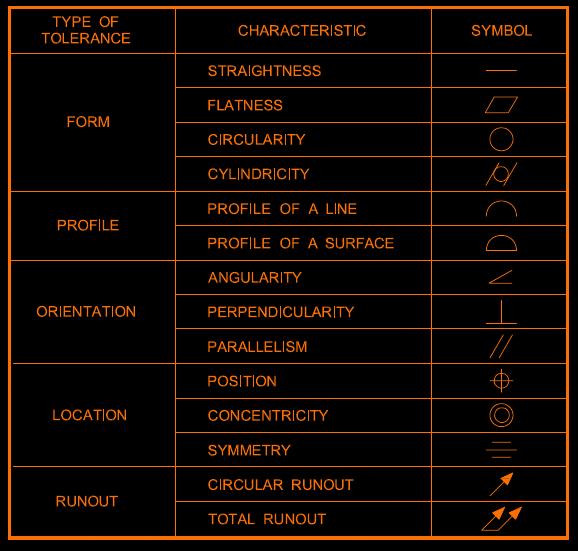
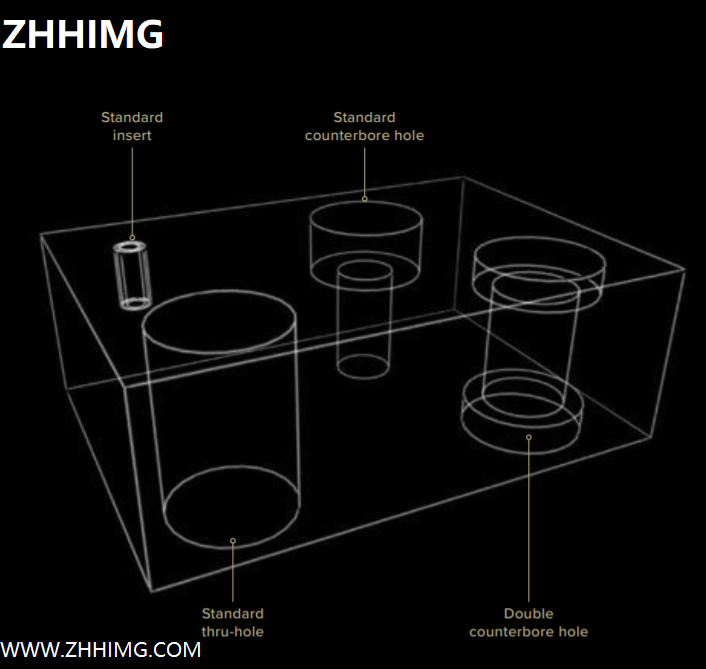
درست گرينائيٽ تي ڪيترا قسم جا سوراخ آهن؟
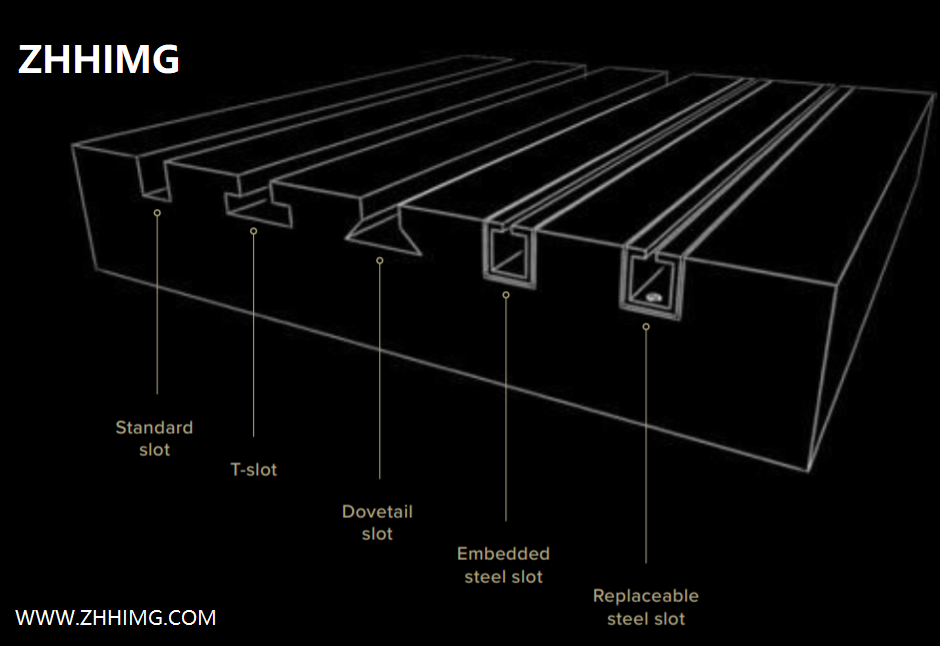
پريسيشن گرينائيٽ حصن تي سلاٽ
ڪيترين ئي ڪارخانن، انسپيڪشن رومن ۽ ليبارٽرين لاءِ، درست ماپ لاءِ بنياد طور درست گرينائيٽ مٿاڇري جي پليٽن تي ڀروسو ڪيو ويندو آهي. ڇاڪاڻ ته هر لڪير جي ماپ هڪ صحيح حوالي واري مٿاڇري تي منحصر آهي جنهن مان آخري طول و عرض ورتو ويندو آهي، مٿاڇري پليٽون مشيننگ کان اڳ ڪم جي چڪاس ۽ ترتيب لاءِ بهترين حوالو جهاز فراهم ڪن ٿيون. اهي اوچائي جي ماپ ۽ گيجنگ مٿاڇريون ٺاهڻ لاءِ مثالي بنياد پڻ آهن. وڌيڪ، هڪ اعليٰ درجي جي برابري، استحڪام، مجموعي معيار ۽ ڪاريگري انهن کي جديد ميڪيڪل، اليڪٽرانڪ ۽ آپٽيڪل گيجنگ سسٽم لڳائڻ لاءِ هڪ سٺو انتخاب بڻائي ٿي. انهن مان ڪنهن به ماپ جي عمل لاءِ، مٿاڇري پليٽن کي ڪيليبريٽ رکڻ ضروري آهي.
ماپ ۽ همواريءَ کي ورجايو
درست مٿاڇري کي يقيني بڻائڻ لاءِ برابري ۽ بار بار ماپ ٻئي اهم آهن. برابري کي سمجهي سگهجي ٿو ته مٿاڇري تي سڀئي نقطا ٻن متوازي جهازن، بنيادي جهاز ۽ ڇت جي جهاز ۾ شامل آهن. جهازن جي وچ ۾ فاصلي جي ماپ مٿاڇري جي مجموعي برابري آهي. هي برابري جي ماپ عام طور تي هڪ برداشت رکي ٿي ۽ ان ۾ گريڊ جو عهدو شامل ٿي سگهي ٿو.
ٽن معياري گريڊن لاءِ فليٽنس رواداري وفاقي وضاحت ۾ بيان ڪئي وئي آهي جيئن هيٺ ڏنل فارمولا ذريعي طئي ڪئي وئي آهي:
ڊين معيار، جي بي معيار، اي ايس ايم اي معيار، جي جي ايس معيار... مختلف ملڪ مختلف موقف سان...
فليٽنس کان علاوه، ورجائڻ جي صلاحيت کي يقيني بڻائڻ گهرجي. ورجائڻ جي ماپ مقامي فليٽنس علائقن جي ماپ آهي. اهو هڪ ماپ آهي جيڪو پليٽ جي مٿاڇري تي ڪٿي به ورتو ويندو آهي جيڪو بيان ڪيل برداشت جي اندر ورجايو ويندو. مقامي علائقي جي فليٽنس کي مجموعي فليٽنس جي ڀيٽ ۾ سخت برداشت تي ڪنٽرول ڪرڻ سان مٿاڇري جي فليٽنس پروفائل ۾ بتدريج تبديلي جي ضمانت ملي ٿي، ان ڪري مقامي غلطيون گهٽجي وڃن ٿيون.
انهي ڳالهه کي يقيني بڻائڻ لاءِ ته هڪ مٿاڇري پليٽ فليٽنس ۽ ورجائي ماپ جي وضاحتن کي پورو ڪري ٿي، گرينائيٽ مٿاڇري پليٽن جي ٺاهيندڙن کي پنهنجي وضاحتن جي بنياد طور فيڊرل اسپيسيفڪيشن GGG-P-463c استعمال ڪرڻ گهرجي. هي معيار بار بار ماپ جي درستگي، مٿاڇري پليٽ گرينائيٽ جي مادي خاصيتن، مٿاڇري جي ختم ٿيڻ، سپورٽ پوائنٽ جي جڳهه، سختي، معائني جا قابل قبول طريقا ۽ ٿريڊ انسرٽس جي انسٽاليشن کي خطاب ڪري ٿو.
پليٽ جي درستگي جي جانچ ڪرڻ
ڪجھ سادي هدايتن تي عمل ڪندي، گرينائيٽ جي مٿاڇري واري پليٽ ۾ سيڙپڪاري ڪيترن سالن تائين رهڻ گهرجي. پليٽ جي استعمال، دڪان جي ماحول ۽ گهربل درستگي تي منحصر ڪري، مٿاڇري واري پليٽ جي درستگي جي جانچ جي تعدد مختلف هوندي آهي. هڪ عام اصول اهو آهي ته نئين پليٽ کي خريداري جي هڪ سال اندر مڪمل ريڪيليبريشن ملي وڃي. جيڪڏهن پليٽ کي بار بار استعمال ڪيو وڃي ٿو، ته اهو وقفو گهٽائي ڇهن مهينن تائين ڪرڻ جي صلاح ڏني ويندي آهي.
ان کان اڳ جو ڪا مٿاڇري واري پليٽ مجموعي طور تي فليٽنس لاءِ وضاحت کان وڌيڪ خراب ٿي وڃي، اها خراب يا لهريدار پوسٽون ڏيکاريندي. بار بار پڙهڻ واري گيج استعمال ڪندي بار بار ماپ جي غلطين لاءِ مهيني معائنو لباس جي جڳهن جي سڃاڻپ ڪندو. بار بار پڙهڻ واري گيج هڪ اعليٰ درستگي وارو اوزار آهي جيڪو مقامي غلطي کي ڳولي ٿو ۽ هڪ اعليٰ ميگنيفڪيشن اليڪٽرانڪ ايمپليفائر تي ڏيکاري سگهجي ٿو.
هڪ مؤثر معائنو پروگرام ۾ آٽو ڪوليميٽر سان باقاعده چڪاس شامل هجڻ گهرجي، جيڪا نيشنل انسٽيٽيوٽ آف اسٽينڊرڊز اينڊ ٽيڪنالاجي (NIST) کي ٽريڪ ڪرڻ جي قابل مجموعي فليٽنس جي حقيقي ڪيليبريشن فراهم ڪري ٿي. ٺاهيندڙ يا هڪ آزاد ڪمپني پاران وقت بوقت جامع ڪيليبريشن ضروري آهي.
ڪيليبريشن جي وچ ۾ تبديليون
ڪجهه حالتن ۾، مٿاڇري جي پليٽ ڪيليبريشن جي وچ ۾ فرق هوندو آهي. ڪڏهن ڪڏهن عنصر جهڙوڪ مٿاڇري جي تبديلي جيڪا لباس جي نتيجي ۾ ٿيندي آهي، معائني جي سامان جو غلط استعمال يا غير ڪيليبريشن ٿيل سامان جو استعمال انهن فرقن جو سبب بڻجي سگهي ٿو. بهرحال، ٻه سڀ کان عام عنصر گرمي پد ۽ سپورٽ آهن.
سڀ کان اهم متغيرن مان هڪ گرمي پد آهي. مثال طور، ٿي سگهي ٿو ته ڪيليبريشن کان اڳ مٿاڇري کي گرم يا ٿڌي محلول سان ڌوئي ويو هجي ۽ ان کي معمول تي آڻڻ لاءِ ڪافي وقت نه ڏنو ويو هجي. گرمي پد جي تبديلي جي ٻين سببن ۾ ٿڌي يا گرم هوا جا مسودا، سڌي سج جي روشني، مٿي روشني يا پليٽ جي مٿاڇري تي تابڪاري گرمي جا ٻيا ذريعا شامل آهن.
سياري ۽ اونهاري جي وچ ۾ عمودي گرمي پد جي درجي ۾ تبديليون پڻ ٿي سگهن ٿيون. ڪجهه حالتن ۾، پليٽ کي ترسيل کان پوءِ معمول تي اچڻ لاءِ ڪافي وقت نه ڏنو ويندو آهي. اهو هڪ سٺو خيال آهي ته ڪيليبريشن جي وقت عمودي درجه حرارت جي درجه حرارت کي رڪارڊ ڪيو وڃي.
ڪيليبريشن جي تبديلي جو هڪ ٻيو عام سبب هڪ پليٽ آهي جيڪا غلط طور تي سپورٽ ڪئي وئي آهي. هڪ مٿاڇري پليٽ کي ٽن نقطن تي سپورٽ ڪيو وڃي، مثالي طور تي پليٽ جي ڇيڙن کان ڊيگهه جي 20٪ اندر واقع هجي. ٻه سپورٽ ڊگھي پاسن کان ويڪر جي 20٪ اندر واقع هجڻ گهرجن، ۽ باقي سپورٽ وچ ۾ هجڻ گهرجي.
صرف ٽي نقطا ڪنهن به شيءِ تي مضبوطيءَ سان آرام ڪري سگهن ٿا پر هڪ درست مٿاڇري تي. پليٽ کي ٽن کان وڌيڪ نقطن تي سپورٽ ڪرڻ جي ڪوشش ڪرڻ سان پليٽ کي ٽن نقطن جي مختلف ميلاپن مان سپورٽ ملندي، جيڪي اهي ساڳيا ٽي نقطا نه هوندا جن تي ان کي پيداوار دوران سپورٽ ڪيو ويو هو. اهو غلطيون متعارف ڪرائيندو جيئن پليٽ نئين سپورٽ انتظام جي مطابق موڙي ٿي. اسٽيل اسٽينڊ استعمال ڪرڻ تي غور ڪريو سپورٽ بيم سان جيڪي مناسب سپورٽ پوائنٽن سان قطار ۾ ٺهندا آهن. هن مقصد لاءِ اسٽينڊ عام طور تي مٿاڇري پليٽ ٺاهيندڙ کان دستياب آهن.
جيڪڏهن پليٽ صحيح طرح سان سپورٽ ٿيل آهي، ته پوءِ صحيح ليولنگ صرف ان صورت ۾ ضروري آهي جڏهن ڪا ايپليڪيشن ان کي بيان ڪري. صحيح طور تي سپورٽ ٿيل پليٽ جي درستگي کي برقرار رکڻ لاءِ ليولنگ ضروري ناهي.
پليٽ جي زندگي وڌايو
ڪجھ هدايتن تي عمل ڪرڻ سان گرينائيٽ جي مٿاڇري واري پليٽ تي لباس گهٽجي ويندو ۽ آخرڪار، ان جي زندگي وڌندي.
پهرين، پليٽ کي صاف رکڻ ضروري آهي. هوا ۾ گھڙڻ واري مٽي عام طور تي پليٽ تي ٽٽڻ ۽ ڳوڙها جو سڀ کان وڏو ذريعو آهي، ڇاڪاڻ ته اهو ڪم جي ٽڪرن ۽ گيجز جي رابطي واري سطحن ۾ شامل ٿيڻ جو رجحان رکي ٿو.
مٽي ۽ نقصان کان بچائڻ لاءِ پليٽن کي ڍڪڻ پڻ ضروري آهي. استعمال ۾ نه هجڻ تي پليٽ کي ڍڪڻ سان پائڻ جي زندگي وڌائي سگهجي ٿي.
پليٽ کي وقت بوقت گھمايو ته جيئن هڪ حصي کي گهڻو استعمال نه ٿئي. ان سان گڏ، گيجنگ تي اسٽيل ڪانٽيڪٽ پيڊ کي ڪاربائيڊ پيڊ سان تبديل ڪرڻ جي سفارش ڪئي وئي آهي.
پليٽ تي کاڌو يا نرم مشروبات رکڻ کان پاسو ڪريو. گھڻن نرم مشروبات ۾ ڪاربونڪ يا فاسفورڪ ايسڊ هوندو آهي، جيڪو نرم معدنيات کي ڳاري سگهي ٿو ۽ مٿاڇري تي ننڍا کڏا ڇڏي سگهي ٿو.
ڪٿي ريليپ ڪجي
جڏهن گرينائيٽ جي مٿاڇري واري پليٽ کي ٻيهر مٿاڇري ڪرڻ جي ضرورت هجي، ته غور ڪريو ته ڇا هي خدمت سائيٽ تي ڪئي وڃي يا ڪيليبريشن سهولت تي. اهو هميشه بهتر آهي ته پليٽ کي ڪارخاني يا وقف ٿيل سهولت تي ٻيهر ليپ ڪيو وڃي. بهرحال، جيڪڏهن پليٽ تمام گهڻي خراب نه آهي، عام طور تي گهربل برداشت جي 0.001 انچ اندر، ان کي سائيٽ تي ٻيهر ليپ ڪري سگهجي ٿو. جيڪڏهن هڪ پليٽ ان نقطي تي پائي وئي آهي جتي اها برداشت کان 0.001 انچ کان وڌيڪ آهي، يا جيڪڏهن اها خراب طور تي پٽي يا نڪ ٿيل آهي، ته پوءِ ان کي ري ليپ ڪرڻ کان اڳ پيسڻ لاءِ ڪارخاني ڏانهن موڪليو وڃي.
ڪيليبريشن سهولت ۾ سامان ۽ ڪارخاني جي سيٽنگ هوندي آهي جيڪا مناسب پليٽ ڪيليبريشن ۽ ضرورت مطابق ٻيهر ڪم لاءِ بهترين حالتون فراهم ڪندي آهي.
سائيٽ تي ڪيليبريشن ۽ ري سرفيسنگ ٽيڪنيشن جي چونڊ ۾ تمام گهڻي احتياط ڪرڻ گهرجي. تصديق لاءِ پڇو ۽ تصديق ڪريو ته ٽيڪنيشن جيڪو سامان استعمال ڪندو ان ۾ ٽريس ايبل ڪيليبريشن آهي. تجربو پڻ هڪ اهم عنصر آهي، ڇاڪاڻ ته گرينائيٽ کي صحيح طريقي سان ليپ ڪرڻ سکڻ ۾ ڪيترائي سال لڳن ٿا.
نازڪ ماپون هڪ درست گرينائيٽ مٿاڇري پليٽ سان بنيادي طور تي شروع ٿين ٿيون. صحيح طور تي ڪيليبريٽر ٿيل مٿاڇري پليٽ استعمال ڪندي هڪ قابل اعتماد حوالي کي يقيني بڻائڻ سان، ٺاهيندڙن وٽ قابل اعتماد ماپن ۽ بهتر معيار جي حصن لاءِ ضروري اوزارن مان هڪ آهي.Q
ڪيليبريشن تبديلين لاءِ چيڪ لسٽ
1. ڪيليبريشن کان اڳ مٿاڇري کي گرم يا ٿڌي محلول سان ڌوتو ويو ۽ ان کي نارمل ٿيڻ لاءِ ڪافي وقت نه ڏنو ويو.
2. پليٽ کي غلط طريقي سان سهارو ڏنو ويو آهي.
3. گرمي پد ۾ تبديلي.
4. مسودا.
5. پليٽ جي مٿاڇري تي سڌي سج جي روشني يا ٻي چمڪندڙ گرمي. پڪ ڪريو ته مٿي جي روشني مٿاڇري کي گرم نه ڪري رهي آهي.
6. سياري ۽ اونهاري جي وچ ۾ عمودي گرمي پد جي درجي ۾ تبديليون. جيڪڏهن ممڪن هجي ته، ڪيليبريشن جي وقت عمودي درجه حرارت جي درجه حرارت کي ڄاڻو.
7. پليٽ کي ترسيل کان پوءِ معمول تي اچڻ لاءِ ڪافي وقت نه ڏنو ويو.
8. معائني جي سامان جو غلط استعمال يا غير ڪيليبريٽ ٿيل سامان جو استعمال.
9. پائڻ جي نتيجي ۾ مٿاڇري ۾ تبديلي.
ٽيڪ صلاحون
- ڇاڪاڻ ته هر لڪير جي ماپ هڪ صحيح ريفرنس مٿاڇري تي منحصر آهي جنهن مان آخري طول و عرض ورتا ويندا آهن، مٿاڇري جون پليٽون مشيننگ کان اڳ ڪم جي چڪاس ۽ ترتيب لاءِ بهترين ريفرنس جهاز فراهم ڪن ٿيون.
- مقامي علائقي جي همواريءَ کي مجموعي همواريءَ جي ڀيٽ ۾ سخت برداشت تي ڪنٽرول ڪرڻ سان مٿاڇري جي همواريءَ جي پروفائيل ۾ بتدريج تبديلي جي ضمانت ملندي آهي، جنهن سان مقامي غلطيون گهٽجي وينديون آهن.
- هڪ مؤثر معائنو پروگرام ۾ آٽو ڪوليميٽر سان باقاعده چڪاس شامل هجڻ گهرجي، جيڪا نيشنل انسپيڪشن اٿارٽي کي ٽريڪ ڪرڻ جي قابل مجموعي فليٽنس جي حقيقي ڪيليبريشن فراهم ڪري ٿي.
گرينائيٽ ٺاهڻ وارن معدني ذرڙن ۾، 90 سيڪڙو کان وڌيڪ فيلڊ اسپار ۽ ڪوارٽز آهن، جن مان فيلڊ اسپار سڀ کان وڌيڪ آهي. فيلڊ اسپار اڪثر ڪري اڇو، ڀورو، ۽ گوشت جهڙو ڳاڙهو هوندو آهي، ۽ ڪوارٽز گهڻو ڪري بي رنگ يا ڀورو اڇو هوندو آهي، جيڪو گرينائيٽ جو بنيادي رنگ ٺاهيندو آهي. فيلڊ اسپار ۽ ڪوارٽز سخت معدنيات آهن، ۽ اسٽيل جي چاقو سان حرڪت ڪرڻ ڏکيو آهي. جيئن ته گرينائيٽ ۾ ڪارا داغ، خاص طور تي ڪارو ابرڪ، ڪجهه ٻيا معدنيات آهن. جيتوڻيڪ بايو ٽائٽ نسبتاً نرم آهي، پر دٻاءُ جي مزاحمت ڪرڻ جي صلاحيت ڪمزور ناهي، ۽ ساڳئي وقت انهن جي گرينائيٽ ۾ ٿوري مقدار هوندي آهي، اڪثر 10 سيڪڙو کان گهٽ. هي مادي حالت آهي جنهن ۾ گرينائيٽ خاص طور تي مضبوط هوندو آهي.
گرينائيٽ جي مضبوط هجڻ جو هڪ ٻيو سبب اهو آهي ته ان جا معدني ذرڙا هڪ ٻئي سان مضبوطيءَ سان ڳنڍيل آهن ۽ هڪ ٻئي ۾ جڙيل آهن. سوراخ اڪثر ڪري پٿر جي ڪل مقدار جو 1٪ کان گهٽ هوندا آهن. هي گرينائيٽ کي مضبوط دٻاءُ برداشت ڪرڻ جي صلاحيت ڏئي ٿو ۽ نمي آساني سان داخل نه ٿي ٿئي.
گرينائيٽ جا حصا پٿر مان ٺهيل آهن جن ۾ ڪو به زنگ، تيزاب ۽ الڪلي مزاحمت، سٺي لباس مزاحمت ۽ ڊگهي خدمت زندگي نه آهي، ڪو به خاص سار سنڀال ناهي. گرينائيٽ جي درستگي جا حصا گهڻو ڪري مشينري صنعت جي ٽولنگ ۾ استعمال ٿيندا آهن. تنهن ڪري، انهن کي گرينائيٽ جي درستگي جا حصا يا گرينائيٽ جا حصا سڏيو ويندو آهي. گرينائيٽ جي درستگي جا حصا بنيادي طور تي گرينائيٽ پليٽ فارمن وانگر آهن. گرينائيٽ جي درستگي جي حصن جي ٽولنگ ۽ ماپ جو تعارف: درستگي جي مشيننگ ۽ مائڪرو مشيننگ ٽيڪنالاجي مشينري جي پيداوار جي صنعت جي اهم ترقي جون هدايتون آهن، ۽ اهي هڪ اعليٰ ٽيڪنالاجي جي سطح کي ماپڻ لاءِ هڪ اهم اشاري بڻجي چڪا آهن. جديد ٽيڪنالاجي ۽ دفاعي صنعت جي ترقي درستگي جي مشيننگ ۽ مائڪرو مشيننگ ٽيڪنالاجي کان الڳ نه ٿي سگهي ٿي. گرينائيٽ جا حصا ماپ ۾ آساني سان سلائيڊ ٿي سگهن ٿا، بغير جمود جي. ڪم جي مٿاڇري جي ماپ، عام خرابي ماپ جي درستگي کي متاثر نه ڪندا آهن. گرينائيٽ جي حصن کي طلب جي پاسي جي گهرجن مطابق ڊزائين ۽ پيدا ڪرڻ جي ضرورت آهي.
درخواست جو ميدان:
جيئن ته اسان سڀ ڄاڻون ٿا ته وڌيڪ کان وڌيڪ مشينون ۽ سامان درست گرينائيٽ اجزاء چونڊي رهيا آهن.
گرينائيٽ جا جزا متحرڪ حرڪت، لڪير موٽر، سي ايم ايم، سي اين سي، ليزر مشين لاءِ استعمال ٿيندا آهن...
وڌيڪ معلومات لاءِ اسان سان رابطو ڪرڻ ۾ ڀليڪار.
گرينائيٽ ماپڻ وارا ڊوائيس ۽ گرينائيٽ ميڪيڪل حصا اعليٰ معيار جي جنان بليڪ گرينائيٽ مان ٺهيل آهن. انهن جي اعليٰ درستگي، ڊگهي مدت، سٺي استحڪام ۽ سنکنرن جي مزاحمت جي ڪري، اهي جديد صنعت ۽ ميڪيڪل ايرو اسپيس ۽ سائنسي تحقيق جهڙن سائنسي شعبن جي پيداوار جي معائني ۾ وڌيڪ ۽ وڌيڪ استعمال ڪيا ويا آهن.
فائدا
----ٻه ڀيرا لوهه جيترو سخت؛
----طول و عرض ۾ گھٽ ۾ گھٽ تبديليون گرمي پد جي تبديلين جي ڪري آهن؛
---- وڄڻ کان پاڪ، تنهنڪري ڪم ۾ خلل نه پوي؛
---- باریک اناج جي بناوت ۽ غير معمولي چپڪ جي ڪري، دڙن يا پروٽريشن کان پاڪ، جيڪو ڊگهي خدمت جي زندگي دوران اعليٰ درجي جي برابري کي يقيني بڻائي ٿو ۽ ٻين حصن يا اوزارن کي ڪو به نقصان نه پهچائيندو آهي؛
----مقناطيسي مواد سان استعمال لاءِ تڪليف کان پاڪ آپريشن؛
----ڊگھي زندگي ۽ زنگ کان پاڪ، نتيجي ۾ گهٽ سار سنڀال جي قيمت.
درستگي حاصل ڪرڻ لاءِ درستگي حاصل ڪرڻ لاءِ گرينائيٽ جي مٿاڇري واري پليٽن کي فليٽ جي اعليٰ معيار تي درستگي سان ليپ ڪيو ويندو آهي ۽ جديد ميڪيڪل، اليڪٽرانڪ ۽ آپٽيڪل گيجنگ سسٽم کي نصب ڪرڻ لاءِ بنياد طور استعمال ڪيو ويندو آهي.
گرينائيٽ جي مٿاڇري واري پليٽ جون ڪجھ منفرد خاصيتون:
سختي ۾ هڪجهڙائي؛
لوڊ حالتن ۾ صحيح؛
وائبريشن جاذب؛
صاف ڪرڻ ۾ آسان؛
لپيٽڻ جي مزاحمتي؛
گھٽ پورسيٽي؛
غير ڇڪڻ وارو؛
غير مقناطيسي
گرينائيٽ مٿاڇري پليٽ جا فائدا
پهرين، پٿر جي قدرتي عمر جي ڊگهي عرصي کان پوءِ، هڪجهڙائي جي بناوت، گهٽ ۾ گهٽ کوٽائي، اندروني دٻاءُ مڪمل طور تي غائب ٿي ويندو آهي، خراب نه ٿيندو آهي، تنهنڪري درستگي وڌيڪ هوندي آهي.
ٻيو، ڪا به خارش نه هوندي، مسلسل گرمي پد جي حالتن ۾ نه، ڪمري جي حرارت تي پڻ درجه حرارت جي ماپ جي درستگي برقرار رکي سگهي ٿي.
ٽيون، مقناطيسي نه، ماپ هموار حرڪت ٿي سگهي ٿي، ڪو به چرٻي محسوس نه ٿئي، نمي کان متاثر نه ٿئي، جهاز مقرر ٿيل آهي.
چوٿون، سختي سٺي آهي، سختي وڌيڪ آهي، رگڙ جي مزاحمت مضبوط آهي.
پنج، تيزاب کان نه ڊڄڻ، الڪلين مائع ڪٽڻ، زنگ نه لڳندو، تيل رنگڻ جي ضرورت نه پوندي، مائڪرو ڊسٽ چپڪائڻ آسان نه هوندو، سار سنڀال، برقرار رکڻ آسان، ڊگهي خدمت زندگي.
ڪاسٽ آئرن مشين بيڊ جي بدران گرينائيٽ بيس ڇو چونڊيو؟
1. گرينائيٽ مشين بيس ڪاسٽ آئرن مشين بيس کان وڌيڪ درستگي رکي سگهي ٿو. ڪاسٽ آئرن مشين بيس آساني سان گرمي پد ۽ نمي کان متاثر ٿئي ٿو پر گرينائيٽ مشين بيس نه ٿيندو؛
2. گرينائيٽ مشين بيس ۽ ڪاسٽ آئرن بيس جي ساڳي سائيز سان، گرينائيٽ مشين بيس ڪاسٽ آئرن کان وڌيڪ قيمتي اثرائتي آهي؛
3. خاص گرينائيٽ مشين بيس کي ختم ڪرڻ ڪاسٽ آئرن مشين بيس جي ڀيٽ ۾ وڌيڪ آسان آهي.
گرينائيٽ سرفيس پليٽون ملڪ جي معائني ليبارٽرين ۾ اهم اوزار آهن. سرفيس پليٽ جي ڪيليبريٽر ٿيل، انتهائي فليٽ مٿاڇري انسپيڪٽرن کي انهن کي حصن جي معائنن ۽ اوزار جي ڪيليبريشن لاءِ بنيادي طور تي استعمال ڪرڻ جي قابل بڻائي ٿي. سرفيس پليٽن پاران فراهم ڪيل استحڪام کان سواءِ، مختلف ٽيڪنالاجي ۽ طبي شعبن ۾ ڪيترن ئي مضبوطي سان برداشت ڪيل حصن کي صحيح طور تي تيار ڪرڻ تمام گهڻو ڏکيو هوندو، جيڪڏهن ناممڪن نه هجي ته. يقيناً، ٻين مواد ۽ اوزارن کي ڪيليبريٽر ڪرڻ ۽ معائنو ڪرڻ لاءِ گرينائيٽ سرفيس بلاڪ استعمال ڪرڻ لاءِ، گرينائيٽ جي درستگي جو پاڻ جائزو وٺڻ گهرجي. استعمال ڪندڙ گرينائيٽ سرفيس پليٽ کي ڪيليبريٽر ڪري سگهن ٿا ته جيئن ان جي درستگي کي يقيني بڻائي سگهجي.
ڪيليبريشن کان اڳ گرينائيٽ جي مٿاڇري واري پليٽ کي صاف ڪريو. هڪ صاف، نرم ڪپڙي تي ٿوري مقدار ۾ مٿاڇري واري پليٽ ڪلينر وجھو ۽ گرينائيٽ جي مٿاڇري کي صاف ڪريو. فوري طور تي صاف ڪندڙ کي مٿاڇري واري پليٽ تان سڪي ڪپڙي سان سڪايو. صفائي واري مائع کي هوا ۾ سڪي وڃڻ نه ڏيو.
گرينائيٽ جي مٿاڇري واري پليٽ جي مرڪز تي هڪ بار بار ماپڻ وارو گيج رکو.
گرينائيٽ پليٽ جي مٿاڇري تي بار بار ماپڻ واري گيج کي صفر ڪريو.
گرينائيٽ جي مٿاڇري تي گيج کي آهستي آهستي هلايو. گيج جي اشاري کي ڏسو ۽ ڪنهن به اوچائي جي تبديلين جي چوٽي کي رڪارڊ ڪريو جيئن توهان اوزار کي پليٽ تي منتقل ڪريو.
پليٽ جي مٿاڇري تي فليٽنس جي فرق جو مقابلو پنهنجي مٿاڇري جي پليٽ جي برداشت سان ڪريو، جيڪو پليٽ جي سائيز ۽ گرينائيٽ جي فليٽنس گريڊ جي بنياد تي مختلف ٿئي ٿو. وفاقي وضاحتن GGG-P-463c (وسيلا ڏسو) سان صلاح ڪريو ته اهو طئي ڪيو وڃي ته ڇا توهان جي پليٽ پنهنجي سائيز ۽ گريڊ لاءِ فليٽنس جي گهرجن کي پورو ڪري ٿي. پليٽ تي سڀ کان وڌيڪ نقطي ۽ پليٽ تي گهٽ ۾ گهٽ نقطي جي وچ ۾ فرق ان جي فليٽنس جي ماپ آهي.
چيڪ ڪريو ته پليٽ جي مٿاڇري تي سڀ کان وڏي کوٽائي ۾ تبديليون ان سائيز ۽ گريڊ جي پليٽ لاءِ ريپيٽيبلٽي وضاحتن ۾ اچن ٿيون. وفاقي وضاحتن GGG-P-463c (وسيلا ڏسو) سان صلاح ڪريو ته اهو طئي ڪيو وڃي ته ڇا توهان جي پليٽ پنهنجي سائيز لاءِ ريپيٽيبلٽي گهرجن کي پورو ڪري ٿي. جيڪڏهن هڪ به نقطو ريپيٽيبلٽي گهرجن ۾ ناڪام ٿئي ٿو ته مٿاڇري واري پليٽ کي رد ڪريو.
گرينائيٽ جي مٿاڇري واري پليٽ جو استعمال بند ڪريو جيڪا وفاقي گهرجن کي پورو ڪرڻ ۾ ناڪام ٿئي. پليٽ ٺاهيندڙ يا گرينائيٽ جي مٿاڇري واري ڪمپني کي واپس ڪريو ته جيئن وضاحتن کي پورو ڪرڻ لاءِ بلاڪ کي ٻيهر پالش ڪيو وڃي.
ٽپو
سال ۾ گهٽ ۾ گهٽ هڪ ڀيرو رسمي ڪيليبريشن ڪريو، جيتوڻيڪ گرينائيٽ جي مٿاڇري واري پليٽن کي وڌيڪ استعمال ۾ ڏسي انهن کي وڌيڪ بار بار ڪيليبريشن ڪرڻ گهرجي.
پيداوار يا معائني جي ماحول ۾ باضابطه، رڪارڊ لائق ڪيليبريشن اڪثر ڪري معيار جي يقين ڏياريندڙ يا ٻاهرين ڪيليبريشن سروسز وينڊر پاران ڪيو ويندو آهي، جيتوڻيڪ ڪو به ماڻهو استعمال ڪرڻ کان اڳ سطح جي پليٽ کي غير رسمي طور تي جانچڻ لاءِ بار بار ماپڻ وارو گيج استعمال ڪري سگهي ٿو.
گرينائيٽ جي مٿاڇري جي پليٽن جي شروعاتي تاريخ
ٻي عالمي جنگ کان اڳ، ٺاهيندڙ حصن جي طول و عرض جي چڪاس لاءِ اسٽيل جي مٿاڇري واري پليٽن جو استعمال ڪندا هئا. ٻي عالمي جنگ دوران اسٽيل جي ضرورت ڊرامائي طور تي وڌي وئي، ۽ ڪيتريون ئي اسٽيل جي مٿاڇري واري پليٽون ڳري ويون. هڪ متبادل جي ضرورت هئي، ۽ گرينائيٽ پنهنجي اعليٰ ميٽرولوجيڪل خاصيتن جي ڪري پسند جو مواد بڻجي ويو.
اسٽيل جي مقابلي ۾ گرينائيٽ جا ڪيترائي فائدا واضح ٿي ويا. گرينائيٽ سخت آهي، جيتوڻيڪ وڌيڪ ڀُرندڙ ۽ چِپ ٿيڻ جي تابع آهي. توهان گرينائيٽ کي اسٽيل جي ڀيٽ ۾ تمام گهڻي هموار ۽ تيز ڪري سگهو ٿا. گرينائيٽ ۾ اسٽيل جي مقابلي ۾ گهٽ حرارتي توسيع جي گهربل خاصيت پڻ آهي. وڌيڪ، جيڪڏهن اسٽيل پليٽ کي مرمت جي ضرورت هجي، ته ان کي ڪاريگرن پاران هٿ سان ڇڪڻو پوندو هو جيڪي مشين ٽول جي تعمير ۾ پڻ پنهنجون صلاحيتون استعمال ڪندا هئا.
هڪ طرفي نوٽ جي طور تي، ڪجهه اسٽيل سرفيس پليٽون اڄ به استعمال ۾ آهن.
گرينائيٽ پليٽن جون ميٽرولوجيڪل خاصيتون
گرينائيٽ هڪ آتش فشاني پٿر آهي جيڪو آتش فشاني ڦاٽڻ سان ٺهي ٿو. مقابلي ۾، سنگ مرمر ميٽامورفوز ٿيل چونا پٿر آهي. ميٽرولوجي جي استعمال لاءِ، چونڊيل گرينائيٽ کي فيڊرل اسپيسيفڪيشن GGG-P-463c ۾ بيان ڪيل مخصوص گهرجن کي پورو ڪرڻ گهرجي، هاڻي کان فيڊ اسپيڪس سڏيو ويندو آهي، ۽ خاص طور تي، حصو 3.1 3.1 فيڊ اسپيڪس ۾، گرينائيٽ هڪ نفيس کان وچولي اناج واري بناوت هجڻ گهرجي.
گرينائيٽ هڪ سخت مواد آهي، پر ان جي سختي ڪيترن ئي سببن جي ڪري مختلف هوندي آهي. هڪ تجربيڪار گرينائيٽ پليٽ ٽيڪنيشن ان جي رنگ مان سختي جو اندازو لڳائي سگهي ٿو جيڪو ان جي ڪوارٽز مواد جو اشارو آهي. گرينائيٽ سختي هڪ ملڪيت آهي جيڪا جزوي طور تي ڪوارٽز مواد جي مقدار ۽ ابرڪ جي گهٽتائي سان بيان ڪئي وئي آهي. ڳاڙهي ۽ گلابي گرينائيٽ سڀ کان سخت هوندا آهن، گرين وچولي سختي هوندي آهي، ۽ ڪارا سڀ کان نرم هوندا آهن.
ينگ جي لچڪدار ماڊيولس آف لچڪداريءَ کي پٿر جي سختي جي لچڪ يا اشاري کي ظاهر ڪرڻ لاءِ استعمال ڪيو ويندو آهي. گلابي گرينائيٽ پيماني تي سراسري طور تي 3-5 پوائنٽس، گرين 5-7 پوائنٽس ۽ ڪارا 7-10 پوائنٽس آهن. انگ جيترو ننڍو هوندو، گرينائيٽ اوترو ئي سخت هوندو آهي. انگ جيترو وڏو هوندو، اوترو ئي نرم ۽ وڌيڪ لچڪدار گرينائيٽ هوندو آهي. برداشت جي گريڊن لاءِ گهربل ٿولهه ۽ ان تي رکيل حصن ۽ گيجز جي وزن کي چونڊڻ وقت گرينائيٽ جي سختي کي ڄاڻڻ ضروري آهي.
پراڻي زماني ۾ جڏهن حقيقي مشيني هئا، جيڪي پنهنجي قميص جي کيسي ۾ ٽيبل بڪليٽ جي ڪري سڃاتا ويندا هئا، ڪارو گرينائيٽ کي "بهترين" سمجهيو ويندو هو. بهترين کي ان قسم جي طور تي بيان ڪيو ويندو هو جيڪو پائڻ لاءِ سڀ کان وڌيڪ مزاحمت ڏيندو هو يا سخت هوندو آهي. هڪ خرابي اها آهي ته سخت گرينائيٽ آساني سان چپ يا ڊنگ ڪندا آهن. مشيني ايترا قائل هئا ته ڪارو گرينائيٽ بهترين هو جو گلابي گرينائيٽ جا ڪجهه ٺاهيندڙ انهن کي ڪارو رنگ ڏيندا هئا.
مون ذاتي طور تي هڪ پليٽ ڏٺي آهي جيڪا اسٽوريج مان منتقل ڪرڻ وقت فورڪ لفٽ تان ڪري پئي. پليٽ فرش سان ٽڪرائجي وئي ۽ ٻن حصن ۾ ورهائجي وئي جيڪا حقيقي گلابي رنگ کي ظاهر ڪري ٿي. جيڪڏهن چين مان ڪارو گرينائيٽ خريد ڪرڻ جو ارادو ڪيو وڃي ته احتياط ڪريو. اسان توهان کي صلاح ڏيون ٿا ته توهان پنهنجا پئسا ڪنهن ٻئي طريقي سان ضايع ڪريو. هڪ گرينائيٽ پليٽ پاڻ ۾ سختي ۾ مختلف ٿي سگهي ٿي. ڪوارٽز جو هڪ سلسلو باقي مٿاڇري پليٽ کان تمام گهڻو سخت ٿي سگهي ٿو. ڪاري گبرو جي هڪ پرت هڪ علائقي کي تمام گهڻو نرم بڻائي سگهي ٿي. هڪ سٺي تربيت يافته، تجربيڪار مٿاڇري پليٽ جي مرمت جا ٽيڪ ڄاڻن ٿا ته انهن نرم علائقن کي ڪيئن سنڀالجي.
مٿاڇري جي پليٽ گريڊ
مٿاڇري جي پليٽن جا چار گريڊ آهن. ليبارٽري گريڊ AA ۽ A، ڪمرو انسپيڪشن گريڊ B، ۽ چوٿون ورڪشاپ گريڊ آهي. گريڊ جا AA ۽ A سڀ کان وڌيڪ فليٽ آهن جن جي فليٽنس برداشت گريڊ AA پليٽ لاءِ 0.00001 انچ کان بهتر آهي. ورڪشاپ گريڊ گهٽ ۾ گهٽ فليٽ آهن ۽ جيئن نالو مشورو ڏئي ٿو، اهي ٽول رومز ۾ استعمال لاءِ آهن. جڏهن ته گريڊ AA، گريڊ A ۽ گريڊ B هڪ انسپيڪشن يا معيار ڪنٽرول ليب ۾ استعمال لاءِ آهن.
Pمٿاڇري پليٽ ڪيليبريشن لاءِ روپر ٽيسٽنگ
مون هميشه پنهنجن گراهڪن کي ٻڌايو آهي ته مان ڪنهن به 10 سالن جي ٻار کي پنهنجي چرچ مان ڪڍي سگهان ٿو ۽ انهن کي صرف ڪجهه ڏينهن ۾ سيکاري سگهان ٿو ته پليٽ کي ڪيئن جانچجي. اهو ڏکيو ناهي. ڪم کي جلدي انجام ڏيڻ لاءِ ڪجهه ٽيڪنڪ جي ضرورت آهي، ٽيڪنڪ جيڪي ماڻهو وقت ۽ گهڻي ورجائي سان سکي ٿو. مون کي توهان کي ٻڌائڻ گهرجي، ۽ مان ڪافي زور نٿو ڏئي سگهان، فيڊ اسپيڪ GGG-P-463c هڪ ڪيليبريشن طريقو ناهي! ان بابت وڌيڪ بعد ۾.
فيڊ اسپيڪس جي مطابق، مجموعي فليٽنس (مين پين) ۽ ريپيٽيبلٽي (لوڪلائيزڊ ويئر) چيڪن جي ڪيليبريشن لازمي آهي. ان جو واحد استثنا ننڍين پليٽن سان آهي جتي ريپيٽيبلٽي صرف گهربل آهي.
ان کان علاوه، ۽ ٻين ٽيسٽن وانگر ئي اهم، حرارتي گريڊينٽس لاءِ ٽيسٽ آهي. (هيٺ ڊيلٽا ٽي ڏسو)
شڪل 1
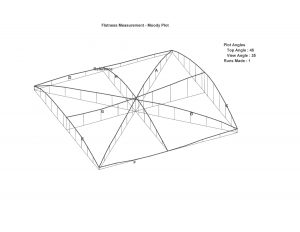
فليٽنس ٽيسٽنگ ۾ 4 منظور ٿيل طريقا آهن. اليڪٽرانڪ ليولز، آٽو ڪوليميشن، ليزر ۽ هڪ ڊوائيس جنهن کي جهاز لوڪيٽر طور سڃاتو وڃي ٿو. اسان صرف اليڪٽرانڪ ليولز استعمال ڪندا آهيون ڇاڪاڻ ته اهي ڪيترن ئي سببن جي ڪري سڀ کان وڌيڪ صحيح ۽ تيز ترين طريقو آهن.
ليزر ۽ آٽو ڪوليميٽر روشني جي هڪ تمام سڌي شعاع کي حوالي طور استعمال ڪندا آهن. هڪ گرينائيٽ مٿاڇري پليٽ جي سڌي ماپ مٿاڇري پليٽ ۽ روشني جي شعاع جي وچ ۾ فاصلي ۾ فرق جي مقابلي ڪندي ڪري ٿو. روشني جي سڌي شعاع کي کڻڻ سان، ان کي ريفلڪٽر ٽارگيٽ تي مارڻ سان جڏهن ته ريفلڪٽر ٽارگيٽ کي مٿاڇري پليٽ کان هيٺ منتقل ڪندي، خارج ٿيل شعاع ۽ واپسي شعاع جي وچ ۾ فاصلو سڌي ماپ آهي.
هتي هن طريقي سان مسئلو آهي. ٽارگيٽ ۽ ذريعو وائبريشن، ماحول جي گرمي پد، گهٽ فليٽ يا ڇڪيل ٽارگيٽ، هوا ۾ آلودگي، ۽ هوا جي حرڪت (ڪرنٽ) کان متاثر ٿين ٿا. اهي سڀ غلطي جي اضافي حصن ۾ حصو وٺندا آهن. ان کان علاوه، آٽو ڪوليميٽر سان چيڪن مان آپريٽر جي غلطي جو حصو وڌيڪ هوندو آهي.
هڪ تجربيڪار آٽو ڪوليميٽر استعمال ڪندڙ تمام صحيح ماپون ڪري سگهي ٿو پر اڃا تائين پڙهڻ جي تسلسل سان مسئلن کي منهن ڏئي ٿو خاص طور تي ڊگهي فاصلي تي ڇاڪاڻ ته عڪس ويڪرا ٿيڻ يا ٿورو ڌنڌلا ٿيڻ جو رجحان رکن ٿا. ان کان علاوه، هڪ گهٽ مڪمل طور تي فليٽ ٽارگيٽ ۽ لينس ذريعي ڏسڻ جو هڪ ڊگهو ڏينهن اضافي غلطيون پيدا ڪري ٿو.
هوائي جهاز جي ڳولا ڪندڙ ڊوائيس بلڪل بيوقوفي آهي. هي ڊوائيس ڪجهه حد تائين سڌو (روشني جي هڪ انتهائي سڌي ڪوليميٽڊ يا ليزر شعاع جي مقابلي ۾) پنهنجي حوالي طور استعمال ڪري ٿو. نه رڳو ميڪيڪل ڊوائيس عام طور تي صرف 20 انچ ريزوليوشن جي اشاري کي استعمال ڪندو آهي پر بار جي غير سڌي هجڻ ۽ مختلف مواد ماپ ۾ غلطين ۾ اهم اضافو ڪن ٿا. اسان جي راءِ ۾، جيتوڻيڪ طريقو قابل قبول آهي، ڪو به قابل ليبارٽري ڪڏهن به هوائي جهاز جي ڳولا ڪندڙ ڊوائيس کي آخري معائني جي اوزار طور استعمال نه ڪندو.
اليڪٽرانڪ ليولز ڪشش ثقل کي پنهنجي حوالي طور استعمال ڪن ٿا. ڊفرنشل اليڪٽرانڪ ليولز وائبريشن کان متاثر نه ٿيندا آهن. انهن جو ريزوليوشن 0.1 آرڪ سيڪنڊ جيترو گهٽ هوندو آهي ۽ ماپون تيز، صحيح هونديون آهن ۽ تجربيڪار آپريٽر کان غلطي جو تمام گهٽ حصو هوندو آهي. نه ته پلين لوڪيٽر ۽ نه ئي آٽو ڪوليميٽر ڪمپيوٽر جي ٺاهيل ٽوپوگرافيڪل (شڪل 1) يا مٿاڇري جي آئسوميٽرڪ پلاٽ (شڪل 2) فراهم ڪندا آهن.
شڪل 2
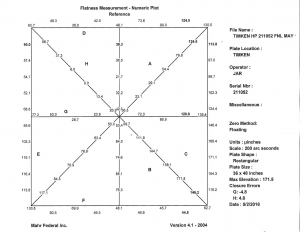
مٿاڇري جي صحيح همواريءَ جي جاچ
مٿاڇري جي صحيح برابري جي جانچ هن پيپر جو هڪ اهم حصو آهي، مون کي ان کي شروعات ۾ رکڻ گهرجي ها. جيئن اڳ ۾ چيو ويو آهي، فيڊ اسپيڪ. GGG-p-463c ڪيليبريشن جو طريقو ناهي. اهو ميٽرولوجي گريڊ گرينائيٽ جي ڪيترن ئي پهلوئن لاءِ هڪ رهنمائي طور ڪم ڪري ٿو جنهن جو ارادو خريد ڪندڙ ڪو به وفاقي حڪومتي ادارو آهي، ۽ ان ۾ جاچ جا طريقا ۽ برداشت يا گريڊ شامل آهن. جيڪڏهن ڪو ٺيڪيدار دعويٰ ڪري ٿو ته انهن فيڊ اسپيڪس تي عمل ڪيو، ته پوءِ فليٽ جي قيمت موڊي ميٿڊ ذريعي طئي ڪئي ويندي.
موڊي 50 جي ڏهاڪي ۾ هڪ ساٿي هو جنهن هڪ رياضياتي طريقو ٺاهيو ته جيئن مجموعي طور تي هموار هجڻ جو تعين ڪري سگهجي ۽ جانچيل لائينن جي رخ جو حساب ڪري سگهجي، ڇا اهي ساڳئي جهاز ۾ ڪافي ويجهو آهن. ڪجھ به نه بدليو آهي. الائيڊ سگنل رياضياتي طريقي کي بهتر بڻائڻ جي ڪوشش ڪئي پر اهو نتيجو ڪڍيو ته فرق تمام ننڍا هئا جو ڪوشش جي لائق نه هو.
جيڪڏهن ڪو مٿاڇري پليٽ ٺيڪيدار اليڪٽرانڪ ليول يا ليزر استعمال ڪري ٿو، ته هو حسابن ۾ مدد لاءِ ڪمپيوٽر استعمال ڪري ٿو. ڪمپيوٽر جي مدد کان سواءِ آٽو ڪوليميشن استعمال ڪندڙ ٽيڪنيشن کي هٿ سان ريڊنگ جو حساب لڳائڻ گهرجي. حقيقت ۾، اهي نه ڪندا آهن. اهو تمام گهڻو وقت وٺندو آهي ۽ صاف طور تي تمام گهڻو مشڪل ٿي سگهي ٿو. موڊي طريقو استعمال ڪندي فليٽنس ٽيسٽ ۾، ٽيڪنيشن سڌي ٿيڻ لاءِ يونين جيڪ ترتيب ۾ اٺ لائينن جي جانچ ڪندو آهي.
موڊي طريقو
موڊي طريقو هڪ رياضياتي طريقو آهي اهو طئي ڪرڻ جو ته اٺ لائينون هڪ ئي جهاز تي آهن يا نه. ٻي صورت ۾، توهان وٽ صرف 8 سڌيون لائينون آهن جيڪي ساڳئي جهاز تي يا ان جي ويجهو هجن يا نه هجن. وڌيڪ، هڪ ٺيڪيدار جيڪو فيڊ اسپيڪ جي پيروي ڪرڻ جو دعويٰ ڪري ٿو، ۽ آٽو ڪوليميشن استعمال ڪري ٿو، هولازمياٺ صفحن جو ڊيٽا تيار ڪريو. هر لائن لاءِ هڪ صفحو چيڪ ڪيو ويو آهي ته جيئن سندس جاچ، مرمت، يا ٻئي ثابت ٿين. ٻي صورت ۾، ٺيڪيدار کي ڪا به خبر ناهي ته حقيقي فليٽنس ويليو ڇا آهي.
مون کي پڪ آهي ته جيڪڏهن توهان انهن مان هڪ آهيو جيڪي آٽو ڪوليميشن استعمال ڪندي ٺيڪيدار طرفان پنهنجي پليٽن کي ڪيليبريٽ ڪندا آهن، ته توهان ڪڏهن به اهي صفحا نه ڏٺا هوندا! شڪل 3 هڪ نمونو آهيصرف هڪمجموعي طور تي برابري جي حساب لاءِ ضروري اٺن صفحن جو صفحو. ان جهالت ۽ بدگماني جو هڪ اشارو اهو آهي ته جيڪڏهن توهان جي رپورٽ ۾ سٺا گول انگ آهن. مثال طور، 200، 400، 650، وغيره. صحيح طور تي ڳڻپيو ويو قدر هڪ حقيقي انگ آهي. مثال طور 325.4 u انچ. جڏهن ٺيڪيدار حسابن جو موڊي طريقو استعمال ڪري ٿو، ۽ ٽيڪنيشن دستي طور تي قدرن جو حساب ڪري ٿو، ته توهان کي حسابن جا اٺ صفحا ۽ هڪ آئسوميٽرڪ پلاٽ ملڻ گهرجي. آئسوميٽرڪ پلاٽ مختلف لائينن سان مختلف اوچائيون ڏيکاري ٿو ۽ چونڊيل انٽريڪٽنگ پوائنٽس کي ڪيترو فاصلو الڳ ڪري ٿو.
شڪل 3(دستي طور تي فليٽنس جو حساب ڪرڻ لاءِ هن طرح اٺ صفحا لڳن ٿا. پڪ ڪريو ته پڇو ته جيڪڏهن توهان جو ٺيڪيدار آٽو ڪوليميشن استعمال ڪري ٿو ته توهان کي اهو ڇو نه ملي رهيو آهي!)
شڪل 4
طول و عرض گيج ٽيڪنيشن ماپ اسٽيشن کان اسٽيشن تائين ڪوئلريٽي ۾ معمولي تبديلين کي ماپڻ لاءِ ترجيحي ڊوائيسز طور ڊفرنشل ليولز (شڪل 4) استعمال ڪندا آهن. ليولز جو ريزوليوشن 0.1 آرڪ سيڪنڊ تائين آهي (4 انچ سليڊ استعمال ڪندي 5 انچ) انتهائي مستحڪم آهن، وائبريشن، ماپيل فاصلن، هوا جي وهڪري، آپريٽر جي ٿڪاوٽ، هوا جي آلودگي يا ٻين ڊوائيسز ۾ موجود ڪنهن به مسئلي کان متاثر نه ٿيندا آهن. ڪمپيوٽر جي مدد شامل ڪريو، ۽ ڪم نسبتا تيز ٿي ويندو آهي، تصديق ۽ سڀ کان اهم مرمت کي ثابت ڪندي ٽوپوگرافيڪل ۽ آئسوميٽرڪ پلاٽ پيدا ڪندو آهي.
هڪ مناسب ورجائي جي قابليت جو امتحان
ورجائي پڙهڻ يا ورجائي قابليت سڀ کان اهم ٽيسٽ آهي. ورجائي قابليت ٽيسٽ ڪرڻ لاءِ اسان جيڪو سامان استعمال ڪندا آهيون اهو هڪ ورجائي پڙهڻ وارو فڪسچر، هڪ LVDT ۽ هڪ ايمپليفائر آهي جيڪو اعليٰ ريزوليوشن ريڊنگ لاءِ ضروري آهي. اسان LVDT ايمپليفائر کي گهٽ ۾ گهٽ ريزوليوشن 10 انچ يا اعليٰ درستگي پليٽن لاءِ 5 انچ تي مقرر ڪيو آهي.
جيڪڏهن توهان 35 انچ جي ورجائي جي ضرورت جي جانچ ڪرڻ جي ڪوشش ڪري رهيا آهيو ته صرف 20 انچ جي ريزوليوشن سان ميڪيڪل اشاري استعمال ڪرڻ بيڪار آهي. اشارن ۾ 40 انچ جي غير يقيني صورتحال هوندي آهي! ورجائي پڙهڻ جو سيٽ اپ اوچائي گيج/حصي جي ترتيب جي نقل ڪري ٿو.
ورجاءَ جي قابليت مجموعي طور تي برابري (مطلب جهاز) وانگر ناهي. مون کي گرينائيٽ ۾ ورجاءَ جي قابليت بابت سوچڻ پسند آهي جنهن کي هڪجهڙائي ريڊيس ماپ طور ڏٺو وڃي.
شڪل 5
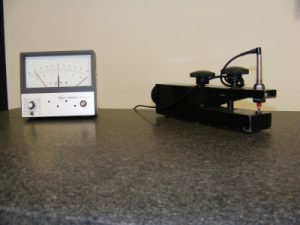
جيڪڏهن توهان گول بال جي ورجائڻ جي صلاحيت جي جانچ ڪريو ٿا، ته پوءِ توهان ظاهر ڪيو آهي ته بال جو ريڊيس تبديل نه ٿيو آهي. (صحيح طرح سان مرمت ٿيل پليٽ جي مثالي پروفائل ۾ هڪ محدب تاج واري شڪل هوندي آهي.) بهرحال، اهو واضح آهي ته بال فليٽ نه آهي. خير، قسم جو. هڪ انتهائي مختصر فاصلي تي، اهو فليٽ آهي. جيئن ته معائني جي ڪم جي اڪثريت ۾ حصي جي تمام ويجهو هڪ اوچائي گيج شامل آهي، ورجائڻ جي صلاحيت گرينائيٽ پليٽ جي سڀ کان اهم ملڪيت بڻجي ويندي آهي. اهو وڌيڪ اهم آهي ته مجموعي فليٽنس جيستائين ڪو صارف ڊگهي حصي جي سڌي ٿيڻ جي جانچ نه ڪري رهيو آهي.
پڪ ڪريو ته توهان جو ٺيڪيدار هڪ ٻيهر پڙهڻ جو امتحان ڏئي ٿو. هڪ پليٽ ۾ برداشت کان ٻاهر هڪ ڀيرو ٻيهر پڙهڻ ٿي سگهي ٿو پر اڃا تائين هڪ فليٽنس ٽيسٽ پاس ڪري سگهي ٿو! حيرت انگيز طور تي هڪ ليبارٽري ٽيسٽنگ ۾ تصديق حاصل ڪري سگهي ٿي جنهن ۾ ٻيهر پڙهڻ جو امتحان شامل ناهي. هڪ ليبارٽري جيڪا مرمت نه ٿي سگهي يا مرمت ۾ تمام سٺو نه آهي، صرف فليٽنس ٽيسٽنگ ڪرڻ کي ترجيح ڏئي ٿي. فليٽنس گهٽ ۾ گهٽ تبديل ٿئي ٿو جيستائين توهان پليٽ کي منتقل نه ڪيو.
بار بار پڙهڻ جي جاچ ڪرڻ سڀ کان آسان آهي پر ليپنگ دوران حاصل ڪرڻ سڀ کان ڏکيو آهي. پڪ ڪريو ته توهان جو ٺيڪيدار مٿاڇري کي "ڊشنگ" ڪرڻ يا مٿاڇري ۾ لهرون ڇڏڻ کان سواءِ ورجائي جي صلاحيت بحال ڪري سگهي ٿو.
ڊيلٽا ٽي ٽيسٽ
هن ٽيسٽ ۾ پٿر جي مٿئين مٿاڇري ۽ ان جي هيٺئين مٿاڇري تي اصل گرمي پد کي ماپڻ ۽ سرٽيفڪيٽ تي رپورٽنگ لاءِ فرق، ڊيلٽا ٽي، جو حساب لڳائڻ شامل آهي.
اهو ڄاڻڻ ضروري آهي ته گرينائيٽ ۾ حرارتي توسيع جو سراسري ڪوئفيشينٽ 3.5 انچ/انچ/ڊگري آهي. گرينائيٽ پليٽ تي ماحول جي گرمي پد ۽ نمي جو اثر نه هجڻ برابر آهي. تنهن هوندي به، هڪ مٿاڇري واري پليٽ برداشت کان ٻاهر نڪري سگهي ٿي يا ڪڏهن ڪڏهن بهتر ٿي سگهي ٿي جيتوڻيڪ .3 - .5 درجا فارنهائيٽ ڊيلٽا ٽي ۾. اهو ڄاڻڻ ضروري آهي ته ڇا ڊيلٽا ٽي آخري ڪيليبريشن کان فرق جي .12 درجا فارنهائيٽ جي اندر آهي.
اهو ڄاڻڻ پڻ ضروري آهي ته پليٽن جي ڪم ڪندڙ مٿاڇري گرمي ڏانهن منتقل ٿئي ٿي. جيڪڏهن مٿيون گرمي پد هيٺئين کان وڌيڪ گرم آهي، ته پوءِ مٿيون مٿاڇري مٿي ٿي ويندي آهي. جيڪڏهن هيٺيون گرم آهي، جيڪو نادر آهي، ته پوءِ مٿيون مٿاڇري ٻڏي ويندي آهي. ڪوالٽي مئنيجر يا ٽيڪنيشن لاءِ اهو ڄاڻڻ ڪافي ناهي ته پليٽ فليٽ آهي ۽ ڪيليبريشن يا مرمت جي وقت ورجائي سگهجي ٿي پر آخري ڪيليبريشن ٽيسٽنگ جي وقت ڊيلٽا ٽي ڇا هو. نازڪ حالتن ۾ هڪ صارف، ڊيلٽا ٽي کي ماپڻ سان پاڻ کي ماپي سگهي ٿو، اهو طئي ڪري سگهي ٿو ته ڇا پليٽ صرف ڊيلٽا ٽي جي تبديلين جي ڪري برداشت کان ٻاهر ٿي وئي آهي. خوشقسمتيءَ سان، گرينائيٽ کي ماحول سان مطابقت پيدا ڪرڻ ۾ ڪيترائي ڪلاڪ يا ڏينهن به لڳن ٿا. ڏينهن دوران ماحول جي درجه حرارت ۾ معمولي اتار چڙهاؤ ان تي اثر انداز نه ٿيندا. انهن سببن جي ڪري، اسان ماحول جي ڪيليبريشن جي درجه حرارت يا نمي جي رپورٽ نٿا ڪريون ڇاڪاڻ ته اثرات گهٽ آهن.
گرينائيٽ پليٽ ويئر
جڏهن ته گرينائيٽ اسٽيل پليٽن کان سخت آهي، گرينائيٽ اڃا تائين مٿاڇري تي گهٽ داغ پيدا ڪري ٿو. مٿاڇري جي پليٽ تي حصن ۽ گيجز جي بار بار حرڪت لباس جو سڀ کان وڏو ذريعو آهي، خاص طور تي جيڪڏهن ساڳيو علائقو مسلسل استعمال ۾ هجي. مٽي ۽ پيسڻ واري مٽي کي پليٽ جي مٿاڇري تي رهڻ ڏنو وڃي ٿو لباس جي عمل کي تيز ڪري ٿو جيئن اهو حصن يا گيجز ۽ گرينائيٽ جي مٿاڇري جي وچ ۾ اچي ٿو. جڏهن حصن ۽ گيجز کي ان جي مٿاڇري تي منتقل ڪيو وڃي ٿو، ته رگڙيندڙ مٽي عام طور تي اضافي لباس جو سبب آهي. مون لباس کي گهٽائڻ لاءِ مسلسل صفائي جي سختي سان سفارش ڪئي آهي. اسان پليٽن تي روزاني UPS پيڪيج پهچائڻ جي ڪري پليٽن تي لباس ڏٺو آهي جيڪو پليٽن جي مٿان رکيل آهي! لباس جا اهي مقامي علائقا ڪيليبريشن ريپيٽيبلٽي ٽيسٽ ريڊنگ کي متاثر ڪن ٿا. باقاعدي صفائي ڪندي لباس کان پاسو ڪريو.
گرينائيٽ پليٽ جي صفائي
پليٽ کي صاف رکڻ لاءِ، مٽي ڪڍڻ لاءِ ٽيڪ ڪپڙو استعمال ڪريو. بس تمام هلڪو دٻايو، ته جيئن توهان گلو جي باقيات نه ڇڏيو. هڪ چڱي طرح استعمال ٿيل ٽيڪ ڪپڙو صفائي جي وچ ۾ پيسڻ واري مٽي کڻڻ جو بهترين ڪم ڪري ٿو. ساڳئي جاءِ تي ڪم نه ڪريو. پليٽ جي چوڌاري پنهنجو سيٽ اپ منتقل ڪريو، لباس ورهايو. پليٽ کي صاف ڪرڻ لاءِ الڪوحل استعمال ڪرڻ ٺيڪ آهي، پر ياد رکو ته ائين ڪرڻ سان مٿاڇري عارضي طور تي تمام ٿڌي ٿي ويندي. ٿوري مقدار ۾ صابڻ سان پاڻي بهترين آهي. اسٽارٽ جو ڪلينر جهڙا تجارتي طور تي موجود ڪلينر پڻ استعمال ڪرڻ لاءِ بهترين آهن، پر پڪ ڪريو ته توهان سڀني صابڻ جي باقيات کي مٿاڇري تان هٽايو.
گرينائيٽ پليٽ جي مرمت
هاڻي تائين اهو واضح ٿي وڃڻ گهرجي ته توهان جو مٿاڇري پليٽ ٺيڪيدار هڪ قابل ڪيليبريشن انجام ڏئي ٿو. "ڪليئرنگ هائوس" قسم جون ليبارٽريون جيڪي "هڪ ڪال سان اهو سڀ ڪريو" پروگرام پيش ڪن ٿيون انهن ۾ گهٽ ئي ڪو ٽيڪنيشن هوندو آهي جيڪو مرمت ڪري سگهي ٿو. جيتوڻيڪ اهي مرمت پيش ڪن ٿا، انهن وٽ هميشه هڪ ٽيڪنيشن نه هوندو آهي جنهن وٽ گهربل تجربو هجي جڏهن مٿاڇري پليٽ برداشت کان ٻاهر هجي.
جيڪڏهن توهان کي ٻڌايو وڃي ته پليٽ تمام گهڻي خراب ٿيڻ جي ڪري مرمت نٿي ڪري سگهجي، ته اسان کي ڪال ڪريو. گهڻو ڪري اسان مرمت ڪري سگهون ٿا.
اسان جا ٽيڪنيشن هڪ ماسٽر سرفيس پليٽ ٽيڪنيشن جي تحت هڪ کان ڏيڍ سال جي اپرنٽس شپ تي ڪم ڪن ٿا. اسان هڪ ماسٽر سرفيس پليٽ ٽيڪنيشن کي اهڙي شخص جي طور تي بيان ڪريون ٿا جيڪو پنهنجي اپرنٽس شپ مڪمل ڪري چڪو آهي ۽ سرفيس پليٽ ڪيليبريشن ۽ مرمت ۾ ڏهه سالن کان وڌيڪ تجربو رکي ٿو. اسان وٽ ڊائمينشنل گيج ۾ ٽي ماسٽر ٽيڪنيشن آهن جن کي 60 سالن کان وڌيڪ تجربو آهي. اسان جو هڪ ماسٽر ٽيڪنيشن هر وقت مدد ۽ رهنمائي لاءِ موجود آهي جڏهن مشڪل حالتون پيدا ٿين ٿيون. اسان جي سڀني ٽيڪنيشنن کي سڀني سائزن جي سرفيس پليٽ ڪيليبريشن ۾ تجربو آهي، ننڍي کان تمام وڏي تائين، مختلف ماحولياتي حالتن، مختلف صنعتن، ۽ وڏن لباس جي مسئلن ۾.
فيڊ اسپيڪس لاءِ 16 کان 64 جي مخصوص ختم ڪرڻ جي ضرورت آهي سراسري رياضي جي خرابي (AA). اسان 30-35 AA جي حد ۾ ختم ڪرڻ کي ترجيح ڏيون ٿا. صرف ڪافي خرابي آهي انهي کي يقيني بڻائڻ لاءِ ته حصا ۽ گيج آساني سان هلن ۽ مٿاڇري جي پليٽ سان نه چپڪن يا مروڙجن.
جڏهن اسان مرمت ڪريون ٿا ته اسان پليٽ کي صحيح چڙهڻ ۽ برابر ڪرڻ لاءِ معائنو ڪريون ٿا. اسان خشڪ ليپنگ جو طريقو استعمال ڪندا آهيون، پر انتهائي خرابي جي صورت ۾ جنهن لاءِ گرينائيٽ کي هٽائڻ جي ضرورت هوندي آهي، اسان ليپ کي گلي ڪندا آهيون. اسان جا ٽيڪنيشن پاڻ کي صاف ڪندا آهن، اهي مڪمل، تيز ۽ صحيح آهن. اهو اهم آهي ڇاڪاڻ ته گرينائيٽ پليٽ سروس جي قيمت ۾ توهان جو ڊائون ٽائيم ۽ پيداوار جو نقصان شامل آهي. هڪ قابل مرمت تمام گهڻي اهميت رکي ٿي، ۽ توهان کي ڪڏهن به قيمت يا سهولت تي ٺيڪيدار نه چونڊڻ گهرجي. ڪجهه ڪيليبريشن جو ڪم انتهائي تربيت يافته ماڻهن جي ضرورت آهي. اسان وٽ اهو آهي.
آخري ڪيليبريشن رپورٽون
هر مٿاڇري جي پليٽ جي مرمت ۽ ڪيليبريشن لاءِ، اسان تفصيلي پيشه ورانه رپورٽون مهيا ڪندا آهيون. اسان جي رپورٽن ۾ اهم ۽ لاڳاپيل معلومات جي هڪ اهم مقدار شامل آهي. فيڊ اسپيڪ. کي اسان جي مهيا ڪيل گهڻي ڀاڱي معلومات جي ضرورت آهي. ٻين معيار جي معيارن جهڙوڪ ISO/IEC-17025 ۾ شامل ڪيل معلومات کي ڇڏي، گهٽ ۾ گهٽ فيڊ. رپورٽن لاءِ وضاحتون آهن:
- سائيز فوٽ ۾ (X' x X')
- رنگ
- انداز (ڪلمپ ليجز يا ٻه يا چار ليجز کان سواءِ)
- لچڪ جو تخمينو ماڊيولس
- هوائي جهاز جي سراسري رواداري (گريڊ/سائيز جي حساب سان طئي ٿيل)
- ورجائي پڙهڻ رواداري (انچ ۾ ڊاگونل ڊيگهه جي حساب سان طئي ٿيل)
- وچين جهاز جيئن مليو
- وچين جهاز کاٻي پاسي
- جيئن مليو تيئن پڙهڻ کي ورجايو
- جيئن کاٻي پاسي تي پڙهڻ ورجايو
- ڊيلٽا ٽي (مٿين ۽ هيٺئين سطحن جي وچ ۾ گرمي پد جو فرق)
جيڪڏهن ٽيڪنيشن کي مٿاڇري جي پليٽ تي ليپنگ يا مرمت جو ڪم ڪرڻ جي ضرورت آهي، ته پوءِ ڪيليبريشن جي سرٽيفڪيٽ سان گڏ هڪ ٽوپوگرافيڪل يا آئسوميٽرڪ پلاٽ هجڻ گهرجي ته جيئن صحيح مرمت ثابت ٿئي.
ISO/IEC-17025 جي تصديق ۽ انهن ليبارٽرين بابت هڪ لفظ جيڪي اهي رکن ٿيون
صرف ان ڪري جو هڪ ليبارٽري کي مٿاڇري پليٽ ڪيليبريشن ۾ تصديق آهي، ان جو مطلب اهو ناهي ته اهي ڄاڻن ٿا ته اهي ڇا ڪري رهيا آهن، ان کي صحيح طريقي سان ڪرڻ کان گهٽ! نه ئي اهو ضروري آهي ته ليبارٽري مرمت ڪري سگهي ٿي. تصديق ڪندڙ ادارا تصديق يا ڪيليبريشن (مرمت) جي وچ ۾ فرق نه ٿا ڪن.A۽ مان هڪ کي ڄاڻان ٿو، شايد2ادارن کي تصديق ڪرڻ جيڪي ڪنداLٽائيAجيڪڏهن مان انهن کي ڪافي پئسا ڏيان ته منهنجي ڪتي جي چوڌاري ربن لڳايو! اهو هڪ افسوسناڪ حقيقت آهي. مون ڏٺو آهي ته ليبارٽريون صرف ٽن ٽيسٽن مان هڪ کي انجام ڏيڻ سان تصديق حاصل ڪن ٿيون. ان کان علاوه، مون ڏٺو آهي ته ليبارٽريون غير حقيقي غير يقيني صورتحال سان تصديق حاصل ڪن ٿيون ۽ بغير ڪنهن ثبوت يا مظاهري جي تصديق حاصل ڪن ٿيون ته انهن قدرن جو حساب ڪيئن ڪيو. اهو سڀ بدقسمتي آهي.
خلاصو
توهان درست گرينائيٽ پليٽن جي ڪردار کي گهٽ نه ٿا سمجهي سگهو. گرينائيٽ پليٽون جيڪو فليٽ حوالو مهيا ڪن ٿيون اهو بنياد آهي جنهن تي توهان ٻيون سڀئي ماپون ڪندا آهيو.
توهان سڀ کان جديد، سڀ کان وڌيڪ صحيح ۽ سڀ کان وڌيڪ ورسٽائل ماپڻ جا اوزار استعمال ڪري سگهو ٿا. جڏهن ته، صحيح ماپون اهو طئي ڪرڻ ڏکيو آهي ته ڇا ريفرنس مٿاڇري فليٽ نه آهي. هڪ ڀيري، مون کي هڪ امڪاني گراهڪ چيو هو ته "ٺيڪ آهي اهو صرف پٿر آهي!" منهنجو جواب، "ٺيڪ آهي، توهان صحيح آهيو، ۽ توهان يقيني طور تي ماهرن کي پنهنجي مٿاڇري جي پليٽن کي برقرار رکڻ لاءِ اچڻ جو جواز پيش نٿا ڪري سگهو."
قيمت ڪڏهن به مٿاڇري واري پليٽ ٺيڪيدارن کي چونڊڻ جو سٺو سبب ناهي. خريد ڪندڙ، اڪائونٽنٽ ۽ معيار جا انجنيئرن جو هڪ پريشان ڪندڙ تعداد هميشه اهو نه سمجهندا آهن ته گرينائيٽ پليٽن کي ٻيهر تصديق ڪرڻ مائڪرو ميٽر، ڪيليپر يا ڊي ايم ايم کي ٻيهر تصديق ڪرڻ وانگر ناهي.
ڪجھ اوزارن کي گھٽ قيمت جي بدران مهارت جي ضرورت هوندي آهي. اهو چوڻ کان پوءِ، اسان جا اگهه تمام مناسب آهن. خاص طور تي اهو اعتماد رکڻ لاءِ ته اسان ڪم صحيح طريقي سان ڪريون ٿا. اسان اضافي قدر ۾ ISO-17025 ۽ وفاقي وضاحتن جي گهرجن کان گهڻو اڳتي وڃون ٿا.
مٿاڇري جون پليٽون ڪيترن ئي طول و عرض جي ماپن لاءِ بنياد آهن، ۽ ماپ جي درستگي کي يقيني بڻائڻ لاءِ توهان جي مٿاڇري جي پليٽ جي صحيح سنڀال ضروري آهي.
گرينائيٽ مٿاڇري جي پليٽن لاءِ استعمال ٿيندڙ سڀ کان وڌيڪ مشهور مواد آهي ڇاڪاڻ ته ان جي مثالي جسماني خاصيتن، جهڙوڪ مٿاڇري جي سختي ۽ گرمي پد جي اتار چڙهاؤ جي گهٽ حساسيت جي ڪري. جڏهن ته، مسلسل استعمال سان مٿاڇري جي پليٽن کي لباس محسوس ٿئي ٿو.
فليٽنس ۽ ريپيٽيبلٽي ٻئي اهم پهلو آهن جيڪي اهو طئي ڪرڻ لاءِ آهن ته ڇا پليٽ صحيح ماپ حاصل ڪرڻ لاءِ هڪ درست مٿاڇري فراهم ڪري ٿي يا نه. ٻنهي پهلوئن لاءِ برداشت وفاقي وضاحت GGG-P-463C، DIN، GB، JJS تحت بيان ڪيا ويا آهن... فليٽنس پليٽ تي سڀ کان وڌيڪ نقطي (ڇت جي جهاز) ۽ گهٽ ۾ گهٽ نقطي (بنيادي جهاز) جي وچ ۾ فاصلي جي ماپ آهي. ريپيٽيبلٽي اهو طئي ڪري ٿي ته ڇا هڪ علائقي مان ورتل ماپ کي بيان ڪيل رواداري اندر پوري پليٽ ۾ ورجائي سگهجي ٿو. اهو يقيني بڻائي ٿو ته پليٽ ۾ ڪا به چوٽي يا وادي نه آهي. جيڪڏهن ريڊنگ بيان ڪيل هدايتن جي اندر نه آهن، ته پوءِ ماپن کي وضاحت ۾ واپس آڻڻ لاءِ ري سرفيسنگ جي ضرورت پئجي سگهي ٿي.
وقت سان گڏ برابري ۽ ورجائي جي قابليت کي يقيني بڻائڻ لاءِ معمول جي مٿاڇري جي پليٽ ڪيليبريشن ضروري آهي. ڪراس تي درستگي جي ماپ جو گروپ ISO 17025 آهي جيڪو مٿاڇري جي پليٽ جي برابري ۽ ورجائي جي قابليت جي ڪيليبريشن لاءِ منظور ٿيل آهي. اسان مهر مٿاڇري پليٽ سرٽيفڪيشن سسٽم استعمال ڪندا آهيون جنهن ۾ شامل آهن:
- موڊي ۽ پروفائل تجزيو،
- آئسوميٽرڪ يا عددي پلاٽ،
- گھڻن رن جي اوسط، ۽
- صنعت جي معيارن مطابق خودڪار گريڊنگ.
مهر ڪمپيوٽر اسسٽيڊ ماڊل مطلق سطح کان ڪنهن به ڪوئلي يا لڪير جي انحراف کي طئي ڪري ٿو، ۽ مٿاڇري پليٽن جي انتهائي درست پروفائلنگ لاءِ مثالي طور تي مناسب آهي.
ڪيليبريشن جي وچ ۾ وقفو استعمال جي فريڪوئنسي، ماحولياتي حالتن جتي پليٽ واقع آهي، ۽ توهان جي ڪمپني جي مخصوص معيار جي گهرجن تي منحصر هوندو. توهان جي مٿاڇري جي پليٽ کي صحيح طور تي برقرار رکڻ سان هر ڪيليبريشن جي وچ ۾ ڊگهو وقفو ٿي سگهي ٿو، توهان کي ٻيهر ريپنگ جي اضافي قيمت کان بچڻ ۾ مدد ملندي آهي، ۽ سڀ کان اهم ڳالهه اها آهي ته پليٽ تي توهان کي حاصل ڪيل ماپون ممڪن حد تائين صحيح آهن. جيتوڻيڪ مٿاڇري جي پليٽون مضبوط نظر اچن ٿيون، اهي درست اوزار آهن ۽ انهن کي اهڙي طرح سمجهيو وڃي. هتي توهان جي مٿاڇري جي پليٽن جي سنڀال بابت غور ڪرڻ لاءِ ڪجهه شيون آهن:
- پليٽ کي صاف رکو، ۽ جيڪڏهن ممڪن هجي ته ان کي ڍڪيو جڏهن اهو استعمال ۾ نه هجي.
- پليٽ تي ماپڻ لاءِ گيجز يا ٽڪرن کان سواءِ ٻيو ڪجهه به نه رکڻ گهرجي.
- هر ڀيري پليٽ تي ساڳي جاءِ استعمال نه ڪريو.
- جيڪڏهن ممڪن هجي ته، پليٽ کي وقت بوقت گھمايو.
- پنهنجي پليٽ جي لوڊ حد جو احترام ڪريو
پريسيشن گرينائيٽ بيس مشين ٽول جي ڪارڪردگي کي بهتر بڻائي سگھي ٿو
عام طور تي مڪينيڪل انجنيئرنگ ۾ ۽ خاص طور تي مشين ٽول جي تعمير ۾ گهرجون مسلسل وڌي رهيون آهن. خرچ وڌائڻ کان سواءِ وڌ ۾ وڌ درستگي ۽ ڪارڪردگي جي قدر حاصل ڪرڻ مقابلي لاءِ مسلسل چئلينج آهن. مشين ٽول بيڊ هتي هڪ فيصلو ڪندڙ عنصر آهي. تنهن ڪري، وڌيڪ ۽ وڌيڪ مشين ٽول ٺاهيندڙ گرينائيٽ تي ڀروسو ڪري رهيا آهن. ان جي جسماني پيرا ميٽرز جي ڪري، اهو واضح فائدا پيش ڪري ٿو جيڪي اسٽيل يا پوليمر ڪنڪريٽ سان حاصل نٿا ڪري سگهجن.
گرينائيٽ هڪ نام نهاد آتش فشاني گہرا پٿر آهي ۽ ان جي بناوت تمام گهڻي ۽ هڪجهڙي آهي جنهن ۾ توسيع جو هڪ انتهائي گهٽ ڪوئفيشينٽ، گهٽ حرارتي چالکائي ۽ تيز وائبريشن ڊمپنگ آهي.
هيٺ توهان کي معلوم ٿيندو ته عام راءِ ڇو ته گرينائيٽ صرف اعليٰ درجي جي ڪوآرڊينيٽ ماپڻ واري مشينن لاءِ مشين بيس جي طور تي مناسب آهي، گهڻو وقت پراڻو آهي ۽ ڇو هي قدرتي مواد مشين ٽول بيس جي طور تي اسٽيل يا ڪاسٽ آئرن جو هڪ تمام فائديمند متبادل آهي جيتوڻيڪ اعليٰ درجي جي مشين ٽولز لاءِ.
اسين متحرڪ حرڪت لاءِ گرينائيٽ جزا، لڪير موٽرن لاءِ گرينائيٽ جزا، اين ڊي ٽي لاءِ گرينائيٽ جزا، ايڪس ري لاءِ گرينائيٽ جزا، سي ايم ايم لاءِ گرينائيٽ جزا، سي اين سي لاءِ گرينائيٽ جزا، ليزر لاءِ گرينائيٽ جي درستگي، ايرو اسپيس لاءِ گرينائيٽ جزا، درستي جي مرحلن لاءِ گرينائيٽ جزا تيار ڪري سگھون ٿا...
اضافي خرچن کان سواءِ وڌيڪ اضافو قدر
مڪينيڪل انجنيئرنگ ۾ گرينائيٽ جو وڌندڙ استعمال اسٽيل جي قيمت ۾ وڏي پئماني تي واڌ جي ڪري نه آهي. بلڪه، اهو ان ڪري آهي جو گرينائيٽ مان ٺهيل مشين بيڊ سان حاصل ڪيل مشين ٽول جي اضافي قيمت تمام گهٽ يا بغير ڪنهن اضافي قيمت تي ممڪن آهي. اهو جرمني ۽ يورپ ۾ مشهور مشين ٽول ٺاهيندڙن جي قيمت جي مقابلي مان ثابت ٿئي ٿو.
گرينائيٽ ذريعي ممڪن بڻايل ٿرموڊائنامڪ استحڪام، وائبريشن ڊمپنگ ۽ ڊگهي مدت جي درستگي ۾ قابل ذڪر فائدو ڪاسٽ آئرن يا اسٽيل بيڊ سان حاصل نٿو ڪري سگهجي، يا صرف نسبتاً وڏي قيمت تي. مثال طور، حرارتي غلطيون مشين جي ڪل غلطي جو 75٪ تائين حساب ڪري سگهن ٿيون، جنهن جي معاوضي اڪثر سافٽ ويئر پاران ڪوشش ڪئي ويندي آهي - وچولي ڪاميابي سان. ان جي گهٽ حرارتي چالکائي جي ڪري، گرينائيٽ ڊگهي مدت جي درستگي لاءِ بهتر بنياد آهي.
1 μm جي برداشت سان، گرينائيٽ آساني سان DIN 876 جي مطابق درستگي جي درجي لاءِ فليٽنس جي گهرجن کي پورو ڪري ٿو 00. سختي جي پيماني تي 1 کان 10 جي قيمت سان، اهو انتهائي سخت آهي، ۽ ان جي مخصوص وزن 2.8g/cm³ سان اهو تقريبن ايلومينيم جي قيمت تائين پهچي ٿو. ان جي نتيجي ۾ اضافي فائدا پڻ آهن جهڙوڪ اعلي فيڊ ريٽ، اعلي محور جي تيز رفتاري ۽ ڪٽڻ واري مشين ٽولز لاءِ ٽول لائف جي واڌ. اهڙيءَ طرح، ڪاسٽ بيڊ کان گرينائيٽ مشين بيڊ ۾ تبديلي سوال ۾ مشين ٽول کي درستگي ۽ ڪارڪردگي جي لحاظ کان اعليٰ درجي ۾ منتقل ڪري ٿي - بغير ڪنهن اضافي قيمت جي.
گرينائيٽ جو بهتر ماحولياتي نقشو
اسٽيل يا ڪاسٽ آئرن جهڙين شين جي ابتڙ، قدرتي پٿر کي تمام گهڻي توانائي ۽ اضافي شين جي استعمال سان پيدا ڪرڻ جي ضرورت ناهي. کوٽائي ۽ مٿاڇري جي علاج لاءِ صرف نسبتاً ٿوري مقدار ۾ توانائي جي ضرورت هوندي آهي. ان جي نتيجي ۾ هڪ اعليٰ ماحولياتي اثر پيدا ٿئي ٿو، جيڪو مشين جي زندگي جي آخر ۾ به اسٽيل جي مواد کان وڌيڪ هوندو آهي. گرينائيٽ بسترو هڪ نئين مشين لاءِ بنياد ٿي سگهي ٿو يا مڪمل طور تي مختلف مقصدن لاءِ استعمال ٿي سگهي ٿو جهڙوڪ روڊ جي تعمير لاءِ شيڊنگ.
۽ نه ئي گرينائيٽ لاءِ وسيلن جي ڪا کوٽ آهي. اهو زمين جي ڪرسٽ اندر ميگما مان ٺهيل هڪ ڳرو پٿر آهي. اهو لکين سالن کان 'پختو' ٿيو آهي ۽ تقريبن سڀني براعظمن تي قدرتي وسيلن جي طور تي تمام وڏي مقدار ۾ موجود آهي، جنهن ۾ سڄو يورپ شامل آهي.
نتيجو: اسٽيل يا ڪاسٽ آئرن جي مقابلي ۾ گرينائيٽ جا ڪيترائي نمايان فائدا ميڪيڪل انجنيئرن جي وڌندڙ رضامندي کي جواز بڻائين ٿا ته هن قدرتي مواد کي اعليٰ درستگي، اعليٰ ڪارڪردگي واري مشين ٽولز جي بنياد طور استعمال ڪيو وڃي. گرينائيٽ جي خاصيتن بابت تفصيلي معلومات، جيڪي مشين ٽولز ۽ ميڪيڪل انجنيئرنگ لاءِ فائديمند آهن، هن ايندڙ مضمون ۾ ملي سگهن ٿيون.
هڪ ورجائي ماپ مقامي هموار علائقن جي ماپ آهي. ورجائي ماپ جي وضاحت ۾ چيو ويو آهي ته پليٽ جي مٿاڇري تي ڪٿي به ورجائي وئي ماپ بيان ڪيل برداشت جي اندر ورجائي ويندي. مجموعي هموار کان وڌيڪ سخت مقامي علائقي جي هموار کي ڪنٽرول ڪرڻ سان مٿاڇري جي هموار پروفائل ۾ بتدريج تبديلي جي ضمانت ملي ٿي جنهن سان مقامي غلطيون گهٽجي وڃن ٿيون.
گھڻا ٺاهيندڙ، جن ۾ درآمد ٿيل برانڊ شامل آهن، مجموعي طور تي فليٽنس برداشت جي وفاقي وضاحتن تي عمل ڪن ٿا پر گھڻا ٻيهر ماپن کي نظرانداز ڪن ٿا. اڄ مارڪيٽ ۾ موجود ڪيتريون ئي گهٽ قيمت يا بجيٽ پليٽون ٻيهر ماپن جي ضمانت نه ڏينديون. هڪ ٺاهيندڙ جيڪو ٻيهر ماپن جي ضمانت نه ٿو ڏئي اهو پليٽون پيدا نه ڪري رهيو آهي جيڪي ASME B89.3.7-2013 يا وفاقي وضاحت GGG-P-463c، يا DIN 876، GB، JJS... جي گهرجن کي پورو ڪن ٿيون.
ٻئي صحيح ماپن لاءِ درست مٿاڇري کي يقيني بڻائڻ لاءِ اهم آهن. ماپ جي درستگي جي ضمانت لاءِ صرف فليٽنس وضاحت ڪافي ناهي. مثال طور وٺو، هڪ 36 X 48 انسپيڪشن گريڊ A مٿاڇري پليٽ، جيڪا صرف .000300 جي فليٽنس وضاحت کي پورو ڪري ٿي. جيڪڏهن چيڪ ڪيل ٽڪرو ڪيترن ئي چوٽين کي پل ڪري ٿو، ۽ استعمال ٿيندڙ گيج گهٽ جڳهه تي آهي، ته ماپ جي غلطي هڪ علائقي ۾ مڪمل برداشت ٿي سگهي ٿي، 000300"! اصل ۾، اهو تمام گهڻو وڌيڪ ٿي سگهي ٿو جيڪڏهن گيج هڪ مائل جي ڍلون تي آرام ڪري رهيو آهي.
.000600"-.000800" جون غلطيون ممڪن آهن، جيڪي ڍلون جي شدت ۽ استعمال ٿيندڙ گيج جي بازو جي ڊيگهه تي منحصر آهن. جيڪڏهن هن پليٽ ۾ .000050"FIR جي ورجائي ماپ جي وضاحت هجي ها ته پوءِ ماپ جي غلطي .000050" کان گهٽ هوندي قطع نظر ته پليٽ تي ماپ ڪٿي ورتي وئي آهي. هڪ ٻيو مسئلو، جيڪو عام طور تي تڏهن پيدا ٿئي ٿو جڏهن هڪ غير تربيت يافته ٽيڪنيشن سائيٽ تي پليٽ کي ٻيهر سطح تي آڻڻ جي ڪوشش ڪري ٿو، اهو پليٽ جي تصديق ڪرڻ لاءِ صرف ورجائي ماپ جو استعمال آهي.
اهي اوزار جيڪي ورجائڻ جي تصديق ڪرڻ لاءِ استعمال ڪيا ويندا آهن، اهي مجموعي طور تي برابري جي جانچ ڪرڻ لاءِ نه ٺاهيا ويا آهن. جڏهن مڪمل طور تي وکر واري مٿاڇري تي صفر تي سيٽ ڪيو ويندو آهي، ته اهي صفر پڙهڻ جاري رکندا، ڇا اهو مٿاڇري مڪمل طور تي برابر هجي يا مڪمل طور تي مقعر يا محدب 1/2"! اهي صرف مٿاڇري جي هڪجهڙائي جي تصديق ڪن ٿا، نه ته برابري جي. صرف هڪ پليٽ جيڪا برابري جي وضاحت ۽ ورجائي ماپ جي وضاحت ٻنهي کي پورو ڪري ٿي، واقعي ASME B89.3.7-2013 يا وفاقي وضاحت GGG-P-463c جي گهرجن کي پورو ڪري ٿي.
Ask us about or flatness specification and repeat measurement promise by calling +86 19969991659 or emailing INFO@ZHHIMG.COM
ها، پر انهن کي صرف هڪ مخصوص عمودي گرمي پد جي گريڊينٽ لاءِ ضمانت ڏئي سگهجي ٿي. پليٽ تي حرارتي توسيع جا اثر آساني سان برداشت کان وڌيڪ درستگي ۾ تبديلي جو سبب بڻجي سگهن ٿا جيڪڏهن گريڊينٽ ۾ تبديلي اچي ٿي. ڪجهه حالتن ۾، جيڪڏهن برداشت ڪافي تنگ آهي، ته مٿي جي روشني مان جذب ٿيندڙ گرمي ڪيترن ئي ڪلاڪن ۾ ڪافي گريڊينٽ تبديلي جو سبب بڻجي سگهي ٿي.
گرينائيٽ ۾ حرارتي توسيع جو ڪوئفيشينٽ لڳ ڀڳ .0000035 انچ في انچ في 1°F آهي. مثال طور: هڪ 36" x 48" x 8" مٿاڇري واري پليٽ جي درستگي .000075" (گريڊ AA جو 1/2) 0°F جي گريڊينٽ تي آهي، مٿيون ۽ هيٺيون ساڳيو گرمي پد آهن. جيڪڏهن پليٽ جو مٿو ان نقطي تائين گرم ٿئي ٿو جتي اهو هيٺان کان 1°F گرم آهي، ته درستگي .000275" محدب ۾ تبديل ٿي ويندي! تنهن ڪري، ليبارٽري گريڊ AA کان وڌيڪ سخت برداشت واري پليٽ کي آرڊر ڪرڻ تي صرف تڏهن غور ڪيو وڃي جڏهن مناسب موسمياتي ڪنٽرول هجي.
هڪ مٿاڇري واري پليٽ کي 3 پوائنٽن تي سپورٽ ڪيو وڃي، مثالي طور تي پليٽ جي ڇيڙن کان ڊيگهه جي 20٪ تي واقع هجي. ٻه سپورٽ ڊگھي پاسن کان ويڪر جي 20٪ تي واقع هجڻ گهرجن، ۽ باقي سپورٽ مرڪز ۾ هجڻ گهرجي. صرف 3 پوائنٽس ڪنهن به شيءِ تي مضبوطيءَ سان آرام ڪري سگهن ٿا سواءِ هڪ درست مٿاڇري جي.
پيداوار دوران پليٽ کي انهن نقطن تي سهارو ڏيڻ گهرجي، ۽ استعمال دوران ان کي صرف انهن ٽن نقطن تي سهارو ڏيڻ گهرجي. پليٽ کي ٽن کان وڌيڪ نقطن تي سهارو ڏيڻ جي ڪوشش ڪرڻ سان پليٽ کي ٽن نقطن جي مختلف ميلاپن مان پنهنجو سهارو ملندو، جيڪي اهي ساڳيا 3 نقطا نه هوندا جن تي ان کي پيداوار دوران سهارو ڏنو ويو هو. اهو غلطيون متعارف ڪرائيندو جيئن پليٽ نئين سپورٽ انتظام جي مطابق موڙي ٿي. سڀني zhhimg اسٽيل اسٽينڊن ۾ سپورٽ بيم آهن جيڪي مناسب سپورٽ پوائنٽن سان قطار ۾ رکڻ لاءِ ٺهيل آهن.
جيڪڏهن پليٽ صحيح طرح سان سپورٽ ٿيل آهي، ته پوءِ صحيح ليولنگ صرف تڏهن ضروري آهي جڏهن توهان جي درخواست ان جي ضرورت هجي. صحيح طور تي سپورٽ ٿيل پليٽ جي درستگي کي برقرار رکڻ لاءِ ليولنگ ضروري ناهي.
گرينائيٽ ڇو چونڊيو؟مشين جا بنياد۽ميٽرولوجي جا جزا?
جواب تقريبن هر استعمال لاءِ 'ها' آهي. گرينائيٽ جا فائدا شامل آهن: ڪو به زنگ يا زنگ نه، وارپنگ کان تقريبن محفوظ، نڪ ٿيڻ تي ڪو به معاوضو ڏيندڙ هڏ، وڌيڪ لباس جي زندگي، هموار عمل، وڌيڪ درستگي، عملي طور تي غير مقناطيسي، حرارتي توسيع جي گهٽ ڪو-ايفيشينٽ، ۽ گهٽ سار سنڀال جي قيمت.
گرينائيٽ هڪ قسم جو آتشي پٿر آهي جيڪو ان جي انتهائي طاقت، کثافت، استحڪام، ۽ سنکنرن جي مزاحمت لاءِ کوٽيو ويندو آهي. پر گرينائيٽ پڻ تمام ورسٽائل آهي - اهو صرف چورس ۽ مستطيل لاءِ ناهي! حقيقت ۾، اسٽارٽ ٽرو-اسٽون اعتماد سان گرينائيٽ حصن سان ڪم ڪري ٿو جيڪي شڪلن، زاوين، ۽ وکر ۾ سڀني تبديلين جي باقاعده بنيادن تي انجنيئر ڪيا ويا آهن - بهترين نتيجن سان.
اسان جي جديد پروسيسنگ ذريعي، ڪٽيل مٿاڇريون غير معمولي طور تي فليٽ ٿي سگهن ٿيون. اهي خوبيون گرينائيٽ کي ڪسٽم سائيز ۽ ڪسٽم ڊيزائن مشين بيس ۽ ميٽرولوجي حصن ٺاهڻ لاءِ مثالي مواد بڻائين ٿيون. گرينائيٽ آهي:
مشيني
ڪٽڻ ۽ ختم ٿيڻ تي بلڪل سڌو
زنگ جي مزاحمتي
پائيدار
ڊگهي عرصي وارو
گرينائيٽ جا حصا صاف ڪرڻ ۾ پڻ آسان آهن. ڪسٽم ڊيزائن ٺاهڻ وقت، پڪ ڪريو ته گرينائيٽ کي ان جي بهترين فائدن لاءِ چونڊيو.
معيار/ هاءِ ويئر ايپليڪيشنون
اسان جي معياري مٿاڇري واري پليٽ جي شين لاءِ ZhongHui پاران استعمال ٿيندڙ گرينائيٽ ۾ ڪوارٽز جو مقدار وڌيڪ آهي، جيڪو پائڻ ۽ نقصان جي مزاحمت فراهم ڪري ٿو. اسان جي اعليٰ ڪارو ۽ ڪرسٽل گلابي رنگن ۾ پاڻي جذب ڪرڻ جي شرح گهٽ آهي، جيڪا پليٽن تي سيٽنگ دوران توهان جي درستگي واري گيجز جي زنگ لڳڻ جي امڪان کي گهٽ ڪري ٿي. ZhongHui پاران پيش ڪيل گرينائيٽ جا رنگ گهٽ چمڪ جو نتيجو ڏين ٿا، جنهن جو مطلب آهي پليٽون استعمال ڪندڙ ماڻهن لاءِ گهٽ اکين جي تڪليف. اسان هن پهلو کي گهٽ ۾ گهٽ رکڻ جي ڪوشش ۾ حرارتي توسيع تي غور ڪندي پنهنجي گرينائيٽ جي قسمن کي چونڊيو آهي.
ڪسٽم ايپليڪيشنون
جڏهن توهان جي ايپليڪيشن ۾ ڪسٽم شڪلن، ٿريڊ انسرٽس، سلاٽس يا ٻي مشيننگ سان پليٽ جي ضرورت هجي، ته توهان کي بليڪ ڊيابيس جهڙو مواد چونڊڻ گهرجي. هي قدرتي مواد بهترين سختي، بهترين وائبريشن ڊمپننگ، ۽ بهتر مشيني صلاحيت پيش ڪري ٿو.
ها، جيڪڏهن اهي تمام گهڻو خراب نه آهن. اسان جي ڪارخاني جي سيٽنگ ۽ سامان مناسب پليٽ ڪيليبريشن ۽ ضرورت مطابق ٻيهر ڪم ڪرڻ لاءِ بهترين حالتون فراهم ڪن ٿا. عام طور تي، جيڪڏهن ڪا پليٽ گهربل برداشت جي .001" اندر آهي، ته ان کي سائيٽ تي ٻيهر سرفيس ڪري سگهجي ٿو. جيڪڏهن ڪا پليٽ ان نقطي تي خراب ٿي وئي آهي جتي اها برداشت کان .001" کان وڌيڪ آهي، يا جيڪڏهن اها خراب طور تي خراب يا خراب آهي، ته پوءِ ان کي ريليپ ڪرڻ کان اڳ پيسڻ لاءِ ڪارخاني ڏانهن موڪلڻ جي ضرورت پوندي.
سائيٽ تي ڪيليبريشن ۽ ري سرفيسنگ ٽيڪنيشن جي چونڊ ۾ تمام گهڻي احتياط ڪرڻ گهرجي. اسان توهان کي گذارش ڪريون ٿا ته توهان پنهنجي ڪيليبريشن سروس جي چونڊ ۾ احتياط ڪريو. تصديق لاءِ پڇو ۽ تصديق ڪريو ته ٽيڪنيشن جيڪو سامان استعمال ڪندو ان ۾ نيشنل انسپيڪشن انسٽيٽيوٽ ٽريس ايبل ڪيليبريشن آهي. درست گرينائيٽ کي صحيح طريقي سان ليپ ڪرڻ سکڻ ۾ ڪيترائي سال لڳن ٿا.
ZhongHui اسان جي ڪارخاني ۾ ڪيل ڪيليبريشن تي جلدي ٽرن اراؤنڊ فراهم ڪري ٿو. جيڪڏهن ممڪن هجي ته پنهنجي پليٽن کي ڪيليبريشن لاءِ موڪليو. توهان جي معيار ۽ شهرت توهان جي ماپ جي اوزارن جي درستگي تي منحصر آهي جنهن ۾ مٿاڇري پليٽون شامل آهن!
اسان جي ڪاري مٿاڇري واري پليٽن ۾ تمام گهڻي کثافت آهي ۽ اهي ٽي ڀيرا وڌيڪ سخت آهن. تنهن ڪري، ڪاري مان ٺهيل پليٽ کي ساڳئي سائيز جي گرينائيٽ پليٽ جيتري ٿلهي هجڻ جي ضرورت ناهي ته جيئن انحراف جي برابر يا وڌيڪ مزاحمت هجي. گھٽ ٿيل ٿولهه جو مطلب آهي گهٽ وزن ۽ گهٽ شپنگ خرچ.
ٻين کان خبردار رهو جيڪي ساڳئي ٿولهه ۾ گهٽ معيار جي ڪاري گرينائيٽ استعمال ڪن ٿا. جيئن مٿي بيان ڪيو ويو آهي، گرينائيٽ جون خاصيتون، جهڙوڪ ڪاٺ يا ڌاتو، مواد ۽ رنگ جي لحاظ کان مختلف هونديون آهن، ۽ سختي، سختي، يا لباس جي مزاحمت جو صحيح اڳڪٿي ڪندڙ نه آهي. حقيقت ۾، ڪاري گرينائيٽ ۽ ڊيابيس جا ڪيترائي قسم تمام نرم آهن ۽ مٿاڇري پليٽ جي ايپليڪيشنن لاءِ مناسب نه آهن.
نه. انهن شين کي ٻيهر ڪم ڪرڻ لاءِ گهربل خاص سامان ۽ تربيت جي ضرورت آهي ته انهن کي ڪيليبريشن ۽ ٻيهر ڪم لاءِ ڪارخاني ڏانهن واپس موڪليو وڃي.
ها. سيرامڪ ۽ گرينائيٽ ۾ ساڳيا خاصيتون آهن، ۽ گرينائيٽ کي ڪيليبريٽ ڪرڻ ۽ ليپ ڪرڻ لاءِ استعمال ٿيندڙ طريقا سيرامڪ شين سان پڻ استعمال ڪري سگهجن ٿا. گرينائيٽ جي ڀيٽ ۾ سيرامڪس کي ليپ ڪرڻ وڌيڪ ڏکيو آهي جنهن جي نتيجي ۾ قيمت وڌيڪ آهي.
ها، بشرطيڪ ته انسرٽس مٿاڇري کان هيٺان رکيل هجن. جيڪڏهن اسٽيل انسرٽس مٿاڇري جي جهاز سان گڏ يا مٿي آهن، ته پوءِ پليٽ کي لپ ڪرڻ کان اڳ انهن کي جڳهه تي منهن ڏيڻ گهرجي. جيڪڏهن گهربل هجي، ته اسان اها خدمت فراهم ڪري سگهون ٿا.
ها. گهربل ڌاڳي (انگريزي يا ميٽرڪ) سان اسٽيل انسرٽس کي پليٽ ۾ گهربل هنڌن تي ايپوڪسي سان ڳنڍي سگهجي ٿو. ژونگ هوئي +/- 0.005" اندر سخت ترين داخل ڪرڻ جي جڳهن کي مهيا ڪرڻ لاءِ سي اين سي مشينون استعمال ڪري ٿو. گهٽ نازڪ انسرٽس لاءِ، ٿريڊ انسرٽس لاءِ اسان جي مقامي رواداري ±.060 آهي". ٻين اختيارن ۾ اسٽيل ٽي-بار ۽ ڊوٽييل سلاٽ شامل آهن جيڪي سڌو سنئون گرينائيٽ ۾ مشين ڪيا ويا آهن.
اهي داخل جيڪي اعليٰ طاقت واري ايپوڪسي ۽ سٺي ڪاريگري استعمال ڪندي صحيح طرح سان ڳنڍيل آهن، اهي وڏي مقدار ۾ ٽورسنل ۽ شيئر فورس کي برداشت ڪندا. هڪ تازي ٽيسٽ ۾، 3/8"-16 ٿريڊ انسرٽس استعمال ڪندي، هڪ آزاد ٽيسٽنگ ليبارٽري مٿاڇري جي پليٽ مان ايپوڪسي بانڊڊ انسرٽ کي ڪڍڻ لاءِ گهربل قوت کي ماپيو. ڏهه پليٽون آزمايون ويون. انهن ڏهن مان، نو ڪيسن ۾، گرينائيٽ پهرين ٽٽي پيو. ناڪامي جي نقطي تي سراسري لوڊ گرين گرينائيٽ لاءِ 10,020 پائونڊ ۽ ڪاري لاءِ 12,310 پائونڊ هو. هڪ ئي صورت ۾ جتي هڪ انسرٽ پليٽ کان آزاد ڪيو ويو، ناڪامي جي نقطي تي لوڊ 12,990 پائونڊ هو! جيڪڏهن هڪ ڪم جو ٽڪرو انسرٽ تي هڪ پل ٺاهي ٿو ۽ انتهائي ٽورڪ لاڳو ڪيو وڃي ٿو، ته گرينائيٽ کي ٽٽي پوڻ لاءِ ڪافي قوت پيدا ڪرڻ ممڪن آهي. جزوي طور تي هن سبب لاءِ، ZhongHui وڌ ۾ وڌ محفوظ ٽورڪ لاءِ هدايتون ڏئي ٿو جيڪو ايپوڪسي بانڊڊ انسرٽس کي لاڳو ڪري سگهجي ٿو: https://www.zhhimg.com/standard-thread-inserts-product/
ها، پر صرف اسان جي ڪارخاني ۾. اسان جي پلانٽ ۾، اسان تقريبن ڪنهن به پليٽ کي 'نئين وانگر' حالت ۾ بحال ڪري سگهون ٿا، عام طور تي ان کي تبديل ڪرڻ جي اڌ کان به گهٽ قيمت تي. خراب ٿيل ڪنارن کي سينگار جي طور تي پيچ ڪري سگهجي ٿو، گہرے نالن، نڪ ۽ کڏن کي زمين تي ڪڍي سگهجي ٿو، ۽ ڳنڍيل سپورٽ کي تبديل ڪري سگهجي ٿو. ان کان علاوه، اسان توهان جي وضاحتن مطابق، مضبوط يا ٿريڊڊ اسٽيل انسرٽس ۽ ڪٽنگ سلاٽ يا ڪلمپنگ لپ شامل ڪندي ان جي ورسٽائلٽي کي وڌائڻ لاءِ توهان جي پليٽ کي تبديل ڪري سگهون ٿا.
گرينائيٽ ڇو چونڊيو؟
گرينائيٽ هڪ قسم جو آتشي پٿر آهي جيڪو لکين سال اڳ ڌرتيءَ تي ٺهيو هو. آتشي پٿر جي جوڙجڪ ۾ ڪيترائي معدنيات شامل هئا جهڙوڪ ڪوارٽز جيڪو انتهائي سخت ۽ لباس مزاحمتي آهي. سختي ۽ لباس مزاحمت کان علاوه گرينائيٽ ۾ ڪاسٽ آئرن جي ڀيٽ ۾ واڌ جي کوٽائي جو لڳ ڀڳ اڌ آهي. جيئن ته ان جو مقداري وزن ڪاسٽ آئرن جي ڀيٽ ۾ تقريباً ٽيون حصو آهي، گرينائيٽ کي هلائڻ آسان آهي.
مشين جي بنيادن ۽ ميٽرولوجي حصن لاءِ، ڪارو گرينائيٽ سڀ کان وڌيڪ استعمال ٿيندڙ رنگ آهي. ڪاري گرينائيٽ ۾ ٻين رنگن جي ڀيٽ ۾ ڪوارٽز جو سيڪڙو وڌيڪ هوندو آهي ۽ تنهن ڪري، اهو سڀ کان وڌيڪ ڏکيو پائڻ وارو آهي.
گرينائيٽ قيمت ۾ اثرائتو آهي، ۽ ڪٽيل مٿاڇريون غير معمولي طور تي فليٽ ٿي سگهن ٿيون. نه رڳو ان کي هٿ سان لپ ڪري سگهجي ٿو ته جيئن انتهائي درستگي حاصل ڪري سگهجي، پر پليٽ يا ٽيبل کي سائيٽ کان ٻاهر منتقل ڪرڻ کان سواءِ ٻيهر ڪنڊيشننگ ڪري سگهجي ٿي. اهو مڪمل طور تي هٿ سان لپنگ آپريشن آهي ۽ عام طور تي ڪاسٽ آئرن متبادل کي ٻيهر ڪنڊيشن ڪرڻ جي ڀيٽ ۾ تمام گهٽ خرچ اچي ٿو.
اهي خوبيون گرينائيٽ کي ڪسٽم سائيز ۽ ڪسٽم ڊيزائن مشين بيس ۽ ميٽرولوجي حصن جهڙوڪ ٺاهڻ لاءِ مثالي مواد بڻائين ٿيون.گرينائيٽ جي مٿاڇري واري پليٽ.
ژونگ هوئي بيسپوڪ گرينائيٽ پراڊڪٽس تيار ڪري ٿو جيڪي مخصوص ماپ جي گهرجن کي پورو ڪرڻ لاءِ ٺاهيا ويا آهن. اهي بيسپوڪ شيون مختلف آهنسڌا ڪنارا toٽرائي اسڪوائرگرينائيٽ جي ورسٽائل نوعيت جي ڪري،جزاڪنهن به گهربل سائيز ۾ پيدا ڪري سگهجي ٿو؛ اهي سخت پائڻ وارا ۽ ڊگهي عرصي تائين هلندڙ آهن.
گرينائيٽ مٿاڇري پليٽن جا فائدا
هڪجهڙي مٿاڇري تي ماپڻ جي اهميت 1800 جي ڏهاڪي ۾ برطانوي موجد هينري ماڊسلي پاران قائم ڪئي وئي هئي. هڪ مشين ٽول ايجاد ڪندڙ جي حيثيت سان، هن اهو طئي ڪيو ته حصن جي مسلسل پيداوار کي قابل اعتماد ماپ لاءِ هڪ مضبوط مٿاڇري جي ضرورت آهي.
صنعتي انقلاب ماپڻ واري مٿاڇري جي گهرج پيدا ڪئي، تنهن ڪري انجنيئرنگ ڪمپني ڪرائون ونڊلي پيداوار جا معيار ٺاهيا. مٿاڇري جي پليٽن لاءِ معيار پهريون ڀيرو ڪرائون پاران 1904 ۾ ڌاتو استعمال ڪندي مقرر ڪيا ويا هئا. جيئن ڌاتو جي طلب ۽ قيمت وڌي وئي، ماپڻ واري مٿاڇري لاءِ متبادل مواد جي جاچ ڪئي وئي.
آمريڪا ۾، يادگار جي خالق والس هرمن قائم ڪيو ته ڪارو گرينائيٽ ڌاتو جي متبادل لاءِ هڪ بهترين مٿاڇري پليٽ مواد هو. جيئن ته گرينائيٽ غير مقناطيسي آهي ۽ زنگ نه ٿو لڳائي، اهو جلد ئي ترجيحي ماپڻ واري مٿاڇري بڻجي ويو.
گرينائيٽ جي مٿاڇري واري پليٽ ليبارٽريز ۽ ٽيسٽ سهولتن لاءِ هڪ ضروري سيڙپڪاري آهي. 600 x 600 ملي ميٽر جي گرينائيٽ جي مٿاڇري واري پليٽ کي سپورٽ اسٽينڊ تي لڳائي سگهجي ٿو. اسٽينڊ 34 انچ (0.86 ميٽر) جي ڪم ڪندڙ اوچائي فراهم ڪن ٿا جن ۾ ليولنگ لاءِ پنج ايڊجسٽبل پوائنٽس آهن.
قابل اعتماد ۽ مسلسل ماپ جي نتيجن لاءِ، گرينائيٽ جي مٿاڇري واري پليٽ تمام ضروري آهي. جيئن ته مٿاڇري هڪ هموار ۽ مستحڪم سطح آهي، اهو اوزارن کي احتياط سان هٿ ڪرڻ جي قابل بڻائي ٿو.
گرينائيٽ جي مٿاڇري واري پليٽن جا مکيه فائدا آهن:
• غير عڪاسي ڪندڙ
• ڪيميائي ۽ سنکنرن جي مزاحمتي
• ڪارٽ آئرن جي مقابلي ۾ گهٽ توسيع جي کوٽائي، تنهنڪري گرمي پد جي تبديلي کان گهٽ متاثر ٿئي ٿي.
• قدرتي طور تي سخت ۽ سخت لباس وارو
• جيڪڏهن ڇِڪايو وڃي ته مٿاڇري جو تختو متاثر نه ٿيندو.
• زنگ نه لڳندو
• غير مقناطيسي
• صاف ڪرڻ ۽ برقرار رکڻ آسان
• ڪيليبريشن ۽ ري سرفيسنگ سائيٽ تي ڪري سگهجي ٿي.
• ٿريڊڊ سپورٽ انسرٽس لاءِ ڊرلنگ لاءِ مناسب
• تيز وائبريشن ڊمپنگ
ڪيترين ئي دڪانن، انسپيڪشن رومن ۽ ليبارٽرين لاءِ، درست ماپ لاءِ بنياد طور درست گرينائيٽ مٿاڇري جي پليٽن تي ڀروسو ڪيو ويندو آهي. ڇاڪاڻ ته هر لڪير جي ماپ هڪ صحيح حوالي واري مٿاڇري تي منحصر آهي جنهن مان آخري طول و عرض ورتو ويندو آهي، مٿاڇري پليٽون مشيننگ کان اڳ ڪم جي چڪاس ۽ ترتيب لاءِ بهترين حوالو جهاز فراهم ڪن ٿيون. اهي اوچائي جي ماپ ۽ گيجنگ مٿاڇريون ٺاهڻ لاءِ مثالي بنياد پڻ آهن. وڌيڪ، هڪ اعليٰ درجي جي برابري، استحڪام، مجموعي معيار ۽ ڪاريگري انهن کي جديد ميڪيڪل، اليڪٽرانڪ ۽ آپٽيڪل گيجنگ سسٽم لڳائڻ لاءِ هڪ سٺو انتخاب بڻائي ٿي. انهن مان ڪنهن به ماپ جي عمل لاءِ، مٿاڇري پليٽن کي ڪيليبريٽ رکڻ ضروري آهي.
ماپ ۽ همواريءَ کي ورجايو
درست مٿاڇري کي يقيني بڻائڻ لاءِ برابري ۽ بار بار ماپ ٻئي اهم آهن. برابري کي سمجهي سگهجي ٿو ته مٿاڇري تي سڀئي نقطا ٻن متوازي جهازن، بنيادي جهاز ۽ ڇت جي جهاز ۾ شامل آهن. جهازن جي وچ ۾ فاصلي جي ماپ مٿاڇري جي مجموعي برابري آهي. هي برابري جي ماپ عام طور تي هڪ برداشت رکي ٿي ۽ ان ۾ گريڊ جو عهدو شامل ٿي سگهي ٿو.
ٽن معياري گريڊن لاءِ فليٽنس رواداري وفاقي وضاحت ۾ بيان ڪئي وئي آهي جيئن هيٺ ڏنل فارمولا ذريعي طئي ڪئي وئي آهي:
ليبارٽري گريڊ AA = (40 + ڊاگونل² / 25) x 0.000001 انچ (هڪ طرفو)
انسپيڪشن گريڊ A = ليبارٽري گريڊ AA x 2
ٽول روم گريڊ B = ليبارٽري گريڊ AA x 4
فليٽنس کان علاوه، ورجائڻ جي صلاحيت کي يقيني بڻائڻ گهرجي. ورجائڻ جي ماپ مقامي فليٽنس علائقن جي ماپ آهي. اهو هڪ ماپ آهي جيڪو پليٽ جي مٿاڇري تي ڪٿي به ورتو ويندو آهي جيڪو بيان ڪيل برداشت جي اندر ورجايو ويندو. مقامي علائقي جي فليٽنس کي مجموعي فليٽنس جي ڀيٽ ۾ سخت برداشت تي ڪنٽرول ڪرڻ سان مٿاڇري جي فليٽنس پروفائل ۾ بتدريج تبديلي جي ضمانت ملي ٿي، ان ڪري مقامي غلطيون گهٽجي وڃن ٿيون.
انهي ڳالهه کي يقيني بڻائڻ لاءِ ته هڪ مٿاڇري پليٽ فليٽ ۽ بار بار ماپ جي وضاحتن کي پورو ڪري ٿي، گرينائيٽ مٿاڇري پليٽن جي ٺاهيندڙن کي پنهنجي وضاحتن جي بنياد طور فيڊرل اسپيسيفڪيشن GGG-P-463c استعمال ڪرڻ گهرجي. هي معيار بار بار ماپ جي درستگي، مٿاڇري پليٽ گرينائيٽ جي مادي خاصيتن، مٿاڇري جي ختم ٿيڻ، سپورٽ پوائنٽ جي جڳهه، سختي، معائني جا قابل قبول طريقا ۽ ٿريڊ انسرٽس جي انسٽاليشن کي خطاب ڪري ٿو.
ان کان اڳ جو ڪا مٿاڇري واري پليٽ مجموعي طور تي فليٽنس لاءِ وضاحت کان وڌيڪ خراب ٿي وڃي، اها خراب يا لهريدار پوسٽون ڏيکاريندي. بار بار پڙهڻ واري گيج استعمال ڪندي بار بار ماپ جي غلطين لاءِ مهيني معائنو لباس جي جڳهن جي سڃاڻپ ڪندو. بار بار پڙهڻ واري گيج هڪ اعليٰ درستگي وارو اوزار آهي جيڪو مقامي غلطي کي ڳولي ٿو ۽ هڪ اعليٰ ميگنيفڪيشن اليڪٽرانڪ ايمپليفائر تي ڏيکاري سگهجي ٿو.
پليٽ جي درستگي جي جانچ ڪرڻ
ڪجھ سادي هدايتن تي عمل ڪندي، گرينائيٽ جي مٿاڇري واري پليٽ ۾ سيڙپڪاري ڪيترن سالن تائين رهڻ گهرجي. پليٽ جي استعمال، دڪان جي ماحول ۽ گهربل درستگي تي منحصر ڪري، مٿاڇري واري پليٽ جي درستگي جي جانچ جي تعدد مختلف هوندي آهي. هڪ عام اصول اهو آهي ته نئين پليٽ کي خريداري جي هڪ سال اندر مڪمل ريڪيليبريشن ملي وڃي. جيڪڏهن پليٽ کي بار بار استعمال ڪيو وڃي ٿو، ته اهو وقفو گهٽائي ڇهن مهينن تائين ڪرڻ جي صلاح ڏني ويندي آهي.
ان کان اڳ جو ڪا مٿاڇري واري پليٽ مجموعي طور تي فليٽنس لاءِ وضاحت کان وڌيڪ خراب ٿي وڃي، اها خراب يا لهريدار پوسٽون ڏيکاريندي. بار بار پڙهڻ واري گيج استعمال ڪندي بار بار ماپ جي غلطين لاءِ مهيني معائنو لباس جي جڳهن جي سڃاڻپ ڪندو. بار بار پڙهڻ واري گيج هڪ اعليٰ درستگي وارو اوزار آهي جيڪو مقامي غلطي کي ڳولي ٿو ۽ هڪ اعليٰ ميگنيفڪيشن اليڪٽرانڪ ايمپليفائر تي ڏيکاري سگهجي ٿو.
هڪ مؤثر معائنو پروگرام ۾ آٽو ڪوليميٽر سان باقاعده چڪاس شامل هجڻ گهرجي، جيڪا نيشنل انسٽيٽيوٽ آف اسٽينڊرڊز اينڊ ٽيڪنالاجي (NIST) کي ٽريڪ ڪرڻ جي قابل مجموعي فليٽنس جي حقيقي ڪيليبريشن فراهم ڪري ٿي. ٺاهيندڙ يا هڪ آزاد ڪمپني پاران وقت بوقت جامع ڪيليبريشن ضروري آهي.
ڪيليبريشن جي وچ ۾ تبديليون
ڪجهه حالتن ۾، مٿاڇري جي پليٽ ڪيليبريشن جي وچ ۾ فرق هوندو آهي. ڪڏهن ڪڏهن عنصر جهڙوڪ مٿاڇري جي تبديلي جيڪا لباس جي نتيجي ۾ ٿيندي آهي، معائني جي سامان جو غلط استعمال يا غير ڪيليبريشن ٿيل سامان جو استعمال انهن فرقن جو سبب بڻجي سگهي ٿو. بهرحال، ٻه سڀ کان عام عنصر گرمي پد ۽ سپورٽ آهن.
سڀ کان اهم متغيرن مان هڪ گرمي پد آهي. مثال طور، ٿي سگهي ٿو ته ڪيليبريشن کان اڳ مٿاڇري کي گرم يا ٿڌي محلول سان ڌوئي ويو هجي ۽ ان کي معمول تي آڻڻ لاءِ ڪافي وقت نه ڏنو ويو هجي. گرمي پد جي تبديلي جي ٻين سببن ۾ ٿڌي يا گرم هوا جا مسودا، سڌي سج جي روشني، مٿي روشني يا پليٽ جي مٿاڇري تي تابڪاري گرمي جا ٻيا ذريعا شامل آهن.
سياري ۽ اونهاري جي وچ ۾ عمودي گرمي پد جي درجي ۾ تبديليون پڻ ٿي سگهن ٿيون. ڪجهه حالتن ۾، پليٽ کي ترسيل کان پوءِ معمول تي اچڻ لاءِ ڪافي وقت نه ڏنو ويندو آهي. اهو هڪ سٺو خيال آهي ته ڪيليبريشن جي وقت عمودي درجه حرارت جي درجه حرارت کي رڪارڊ ڪيو وڃي.
ڪيليبريشن جي تبديلي جو هڪ ٻيو عام سبب هڪ پليٽ آهي جيڪا غلط طور تي سپورٽ ڪئي وئي آهي. هڪ مٿاڇري پليٽ کي ٽن نقطن تي سپورٽ ڪيو وڃي، مثالي طور تي پليٽ جي ڇيڙن کان ڊيگهه جي 20٪ اندر واقع هجي. ٻه سپورٽ ڊگھي پاسن کان ويڪر جي 20٪ اندر واقع هجڻ گهرجن، ۽ باقي سپورٽ وچ ۾ هجڻ گهرجي.
صرف ٽي نقطا ڪنهن به شيءِ تي مضبوطيءَ سان آرام ڪري سگهن ٿا پر هڪ درست مٿاڇري تي. پليٽ کي ٽن کان وڌيڪ نقطن تي سپورٽ ڪرڻ جي ڪوشش ڪرڻ سان پليٽ کي ٽن نقطن جي مختلف ميلاپن مان سپورٽ ملندي، جيڪي اهي ساڳيا ٽي نقطا نه هوندا جن تي ان کي پيداوار دوران سپورٽ ڪيو ويو هو. اهو غلطيون متعارف ڪرائيندو جيئن پليٽ نئين سپورٽ انتظام جي مطابق موڙي ٿي. اسٽيل اسٽينڊ استعمال ڪرڻ تي غور ڪريو سپورٽ بيم سان جيڪي مناسب سپورٽ پوائنٽن سان قطار ۾ ٺهندا آهن. هن مقصد لاءِ اسٽينڊ عام طور تي مٿاڇري پليٽ ٺاهيندڙ کان دستياب آهن.
جيڪڏهن پليٽ صحيح طرح سان سپورٽ ٿيل آهي، ته پوءِ صحيح ليولنگ صرف ان صورت ۾ ضروري آهي جڏهن ڪا ايپليڪيشن ان کي بيان ڪري. صحيح طور تي سپورٽ ٿيل پليٽ جي درستگي کي برقرار رکڻ لاءِ ليولنگ ضروري ناهي.
پليٽ کي صاف رکڻ ضروري آهي. هوا ۾ رگڙيندڙ مٽي عام طور تي پليٽ تي ٽٽڻ ۽ ڦاٽڻ جو سڀ کان وڏو ذريعو آهي، ڇاڪاڻ ته اهو ڪم جي ٽڪرن ۽ گيجز جي رابطي واري سطحن ۾ داخل ٿئي ٿو. مٽي ۽ نقصان کان بچائڻ لاءِ پليٽن کي ڍڪيو. استعمال ۾ نه هجڻ تي پليٽ کي ڍڪڻ سان پائڻ جي زندگي وڌائي سگهجي ٿي.
پليٽ جي زندگي وڌايو
ڪجھ هدايتن تي عمل ڪرڻ سان گرينائيٽ جي مٿاڇري واري پليٽ تي لباس گهٽجي ويندو ۽ آخرڪار، ان جي زندگي وڌندي.
پهرين، پليٽ کي صاف رکڻ ضروري آهي. هوا ۾ پيدا ٿيندڙ رگڙيندڙ مٽي عام طور تي پليٽ تي خرابي ۽ ڳوڙها جو سڀ کان وڏو ذريعو آهي، ڇاڪاڻ ته اهو ڪم جي ٽڪرن ۽ گيجز جي رابطي واري سطحن ۾ داخل ٿئي ٿو.
مٽي ۽ نقصان کان بچائڻ لاءِ پليٽن کي ڍڪڻ پڻ ضروري آهي. استعمال ۾ نه هجڻ تي پليٽ کي ڍڪڻ سان پائڻ جي زندگي وڌائي سگهجي ٿي.
پليٽ کي وقت بوقت گھمايو ته جيئن هڪ حصي کي گهڻو استعمال نه ٿئي. ان سان گڏ، گيجنگ تي اسٽيل ڪانٽيڪٽ پيڊ کي ڪاربائيڊ پيڊ سان تبديل ڪرڻ جي سفارش ڪئي وئي آهي.
پليٽ تي کاڌو يا نرم مشروبات رکڻ کان پاسو ڪريو. گھڻن نرم مشروبات ۾ ڪاربونڪ يا فاسفورڪ ايسڊ هوندو آهي، جيڪو نرم معدنيات کي ڳاري سگهي ٿو ۽ مٿاڇري تي ننڍا کڏا ڇڏي سگهي ٿو.
ڪٿي ريليپ ڪجي
جڏهن گرينائيٽ جي مٿاڇري واري پليٽ کي ٻيهر مٿاڇري ڪرڻ جي ضرورت هجي، ته غور ڪريو ته ڇا هي خدمت سائيٽ تي ڪئي وڃي يا ڪيليبريشن سهولت تي. اهو هميشه بهتر آهي ته پليٽ کي ڪارخاني يا وقف ٿيل سهولت تي ٻيهر ليپ ڪيو وڃي. بهرحال، جيڪڏهن پليٽ تمام گهڻي خراب نه آهي، عام طور تي گهربل برداشت جي 0.001 انچ اندر، ان کي سائيٽ تي ٻيهر ليپ ڪري سگهجي ٿو. جيڪڏهن هڪ پليٽ ان نقطي تي پائي وئي آهي جتي اها برداشت کان 0.001 انچ کان وڌيڪ آهي، يا جيڪڏهن اها خراب طور تي پٽي يا نڪ ٿيل آهي، ته پوءِ ان کي ري ليپ ڪرڻ کان اڳ پيسڻ لاءِ ڪارخاني ڏانهن موڪليو وڃي.
ڪيليبريشن سهولت ۾ سامان ۽ ڪارخاني جي سيٽنگ هوندي آهي جيڪا مناسب پليٽ ڪيليبريشن ۽ ضرورت مطابق ٻيهر ڪم لاءِ بهترين حالتون فراهم ڪندي آهي.
سائيٽ تي ڪيليبريشن ۽ ري سرفيسنگ ٽيڪنيشن جي چونڊ ۾ تمام گهڻي احتياط ڪرڻ گهرجي. تصديق لاءِ پڇو ۽ تصديق ڪريو ته ٽيڪنيشن جيڪو سامان استعمال ڪندو ان ۾ NIST-ٽريسيبل ڪيليبريشن آهي. تجربو پڻ هڪ اهم عنصر آهي، ڇاڪاڻ ته گرينائيٽ کي صحيح طريقي سان ليپ ڪرڻ سکڻ ۾ ڪيترائي سال لڳن ٿا.
نازڪ ماپون هڪ درست گرينائيٽ مٿاڇري پليٽ سان بنيادي طور تي شروع ٿين ٿيون. صحيح طور تي ڪيليبريٽر ٿيل مٿاڇري پليٽ استعمال ڪندي هڪ قابل اعتماد حوالي کي يقيني بڻائڻ سان، ٺاهيندڙن وٽ قابل اعتماد ماپن ۽ بهتر معيار جي حصن لاءِ ضروري اوزارن مان هڪ آهي.
ڪيليبريشن تبديلين لاءِ چيڪ لسٽ
- ڪيليبريشن کان اڳ مٿاڇري کي گرم يا ٿڌي محلول سان ڌوتو ويو ۽ ان کي نارمل ٿيڻ لاءِ ڪافي وقت نه ڏنو ويو.
- پليٽ کي غلط طريقي سان سپورٽ ڪيو ويو آهي.
- گرمي پد ۾ تبديلي.
- ڊرافٽ.
- پليٽ جي مٿاڇري تي سڌي سج جي روشني يا ٻي چمڪندڙ گرمي. پڪ ڪريو ته مٿي جي روشني مٿاڇري کي گرم نه ڪري رهي آهي.
- سياري ۽ اونهاري جي وچ ۾ عمودي گرمي پد جي درجي ۾ تبديليون. جيڪڏهن ممڪن هجي ته، ڪيليبريشن جي وقت عمودي درجه حرارت جي درجه حرارت کي ڄاڻو.
- پليٽ کي شپمينٽ کان پوءِ نارمل ٿيڻ لاءِ ڪافي وقت نه مليو.
- معائني جي سامان جو غلط استعمال يا غير ڪيليبريٽ ٿيل سامان جو استعمال.
- پائڻ جي نتيجي ۾ مٿاڇري ۾ تبديلي.
ٽيڪ صلاحون
ڇاڪاڻ ته هر لڪير جي ماپ هڪ صحيح ريفرنس مٿاڇري تي منحصر آهي جنهن مان آخري طول و عرض ورتا ويندا آهن، مٿاڇري جون پليٽون مشيننگ کان اڳ ڪم جي چڪاس ۽ ترتيب لاءِ بهترين ريفرنس جهاز فراهم ڪن ٿيون.
مقامي علائقي جي همواريءَ کي مجموعي همواريءَ جي ڀيٽ ۾ سخت برداشت تي ڪنٽرول ڪرڻ سان مٿاڇري جي همواريءَ جي پروفائيل ۾ بتدريج تبديلي جي ضمانت ملندي آهي، جنهن سان مقامي غلطيون گهٽجي وينديون آهن.